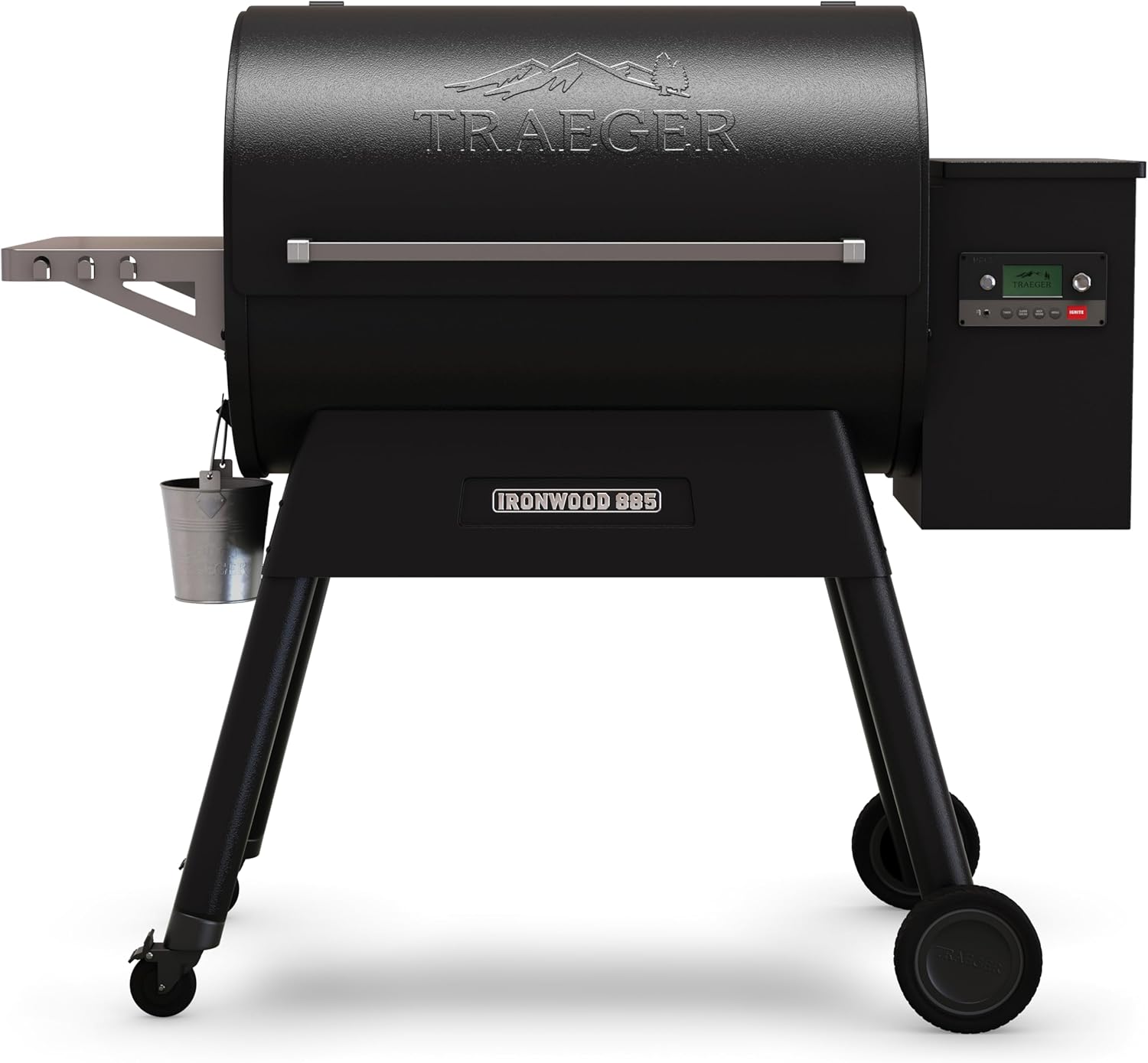
For weekend backyard BBQ beginners, the traeger pro 575 vs pit boss 850 for weekend backyard bbq beginners debate really comes down to three things: cooking space, ease of use, and total price. In 2026, the Traeger Pro 575 still wins on app-driven simplicity and fuss-free temperature control, while the Pit Boss 850 delivers significantly more grill real estate and a noticeably lower sticker price. If your weekends mean cooking for four to six guests, either pellet smoker will get the job done — but the Pro 575 is more forgiving for first-time pellet owners, and the PB 850 rewards anyone willing to fiddle with settings a little.
Quick verdict before you scroll
Pick the Traeger Pro 575 if you want plug-and-play smoking, WiFire app control, and a brand-name ecosystem of recipes, accessories, and aftermarket parts. Pick the Pit Boss 850 if you want more cooking area for the dollar, dual meat probes out of the box, and a sear slide for higher direct heat. For absolute beginners cooking once or twice a weekend, the Traeger is the safer first buy. For larger families, tailgaters, or anyone who already loves to tinker with controllers and mods, the Pit Boss wins on bang-for-buck and will outlast the honeymoon phase.
At-a-glance specs comparison
| Feature | Traeger Pro 575 | Pit Boss 850 |
|---|---|---|
| Total cooking area | 572 sq in | 849 sq in |
| Hopper capacity | 18 lbs | 21 lbs |
| Temperature range | 180-500°F | 180-500°F + sear slide |
| Meat probes included | 1 | 2 |
| WiFi / app | Yes (WiFire) | Yes (Pit Boss app) |
| Controller type | D2 Direct Drive | PID with sear slide |
| Approx. price (2026) | ~$800 | ~$600 |
| Best for | True beginners, small groups | Bigger groups, value hunters |
Why the Traeger Pro 575 wins beginner hearts
The Pro 575's biggest selling point for first-timers is the D2 Direct Drive controller. You set a temperature, the auger drops pellets, and the grill holds within roughly 15 degrees of your target without any babysitting. There is no shutdown anxiety, no learning curve around dampers, and the WiFire app actually works reliably in 2026 — push notifications when your brisket hits 203°F, remote temperature changes from the couch, and a built-in recipe library that walks you through ribs, pulled pork, and beer-can chicken step by step.
The 572 square inches of cooking space splits cleanly into a main grate plus an upper warming rack, enough for about 24 burgers, four racks of baby backs, or two pork shoulders side by side. The 18-pound hopper handles a 12-hour overnight cook when filled. Build quality is solid powder-coated steel, the porcelain-coated grates clean up with a brass brush, and Traeger's warranty covers most parts for two years. For a complete beginner who just wants smoke without homework, this is the easier purchase decision.
Why the Pit Boss 850 keeps showing up at weekend cookouts
The Pit Boss 850 (often sold as the PB850G or Pro Series 850) gives you 849 square inches of cooking surface — nearly 50 percent more than the Traeger — for around $200 less at most retailers in 2026. The PID controller holds temperatures within about 20 degrees, which is close enough for almost any low-and-slow cook, and the sear slide opens a direct-flame zone underneath the main grate that pushes surface temperatures past 750°F. For burgers and steaks, that is a real advantage the Pro 575 simply can not match.
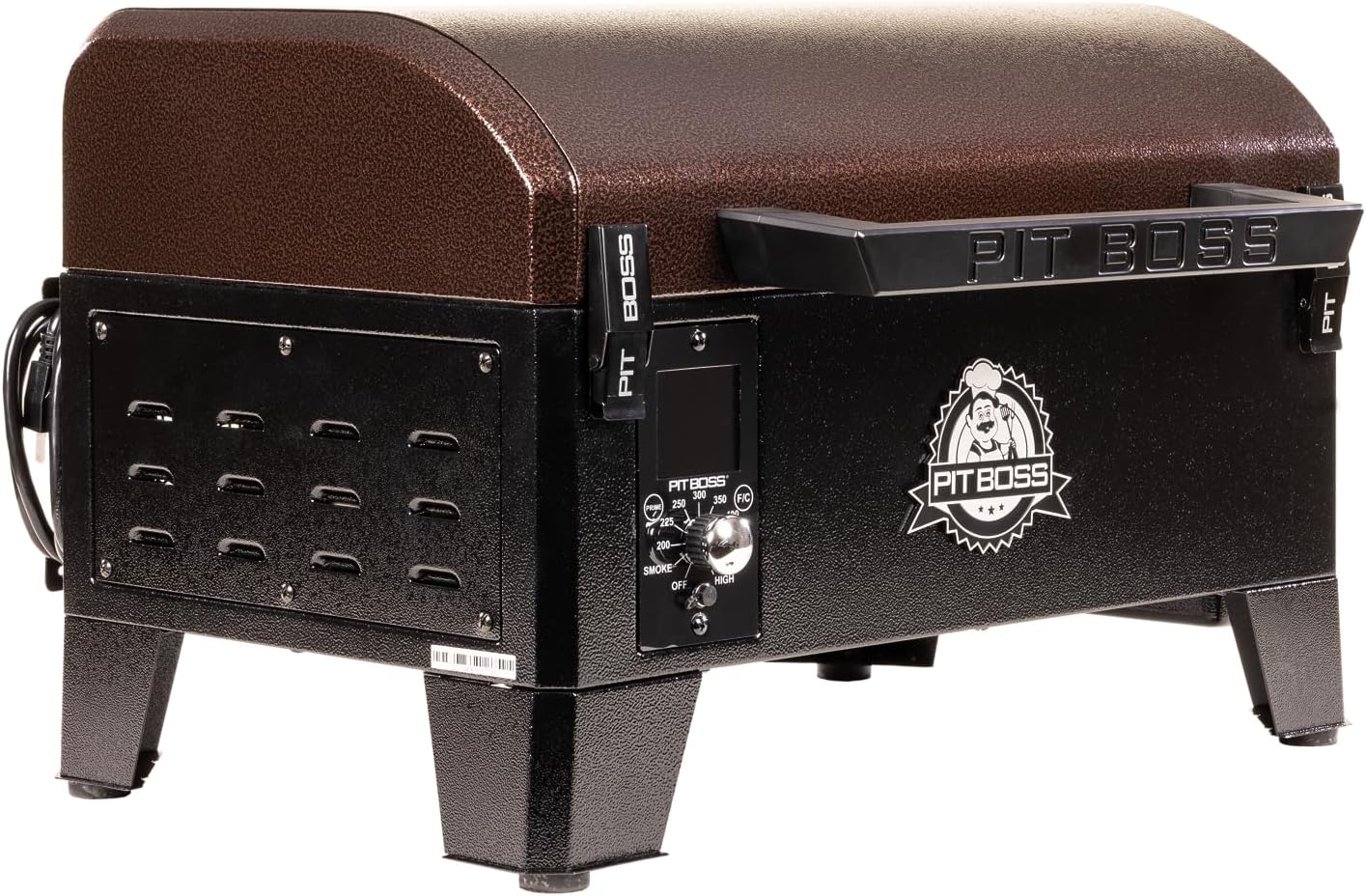
You also get two included meat probes (versus one on the Traeger), a 21-pound hopper for longer overnight cooks, and a slightly beefier cart that handles being rolled across grass without complaint. The companion app has come a long way since 2023 and now offers reliable WiFi control, though the recipe ecosystem is still thinner than Traeger's. For weekend BBQ beginners with bigger groups or growing ambitions, the PB 850 buys room to experiment without a second mortgage.
Where you will actually feel the difference on a Saturday
Imagine a typical Saturday: brisket goes on at 6 a.m., chicken thighs at noon, burgers and dogs at 5 p.m. On the Traeger Pro 575, you will hit a small space crunch if you are hosting more than six people — the upper rack helps, but you will be cooking in shifts. The Pit Boss 850 lets you run brisket on one side and chicken on the other simultaneously without sacrificing airflow.
That said, the Traeger app's reliability shows up here. If you run errands during the brisket stall, push notifications keep you honest. The Pit Boss app works, but I have seen more dropped connections during testing through 2025. Both grills handle wind and 40°F mornings fine; both struggle a little in sub-freezing temps without an insulation blanket. Pellet consumption is roughly identical — about 1.5 pounds per hour at 225°F on either model.
For weekend warriors, the practical takeaway is this: if your typical cook is for your immediate household plus a couple of friends, the Pro 575 is plenty. If you regularly host eight-plus guests or want to smoke two pork butts at once for batch-cooking, step up to the 850. The traeger pro 575 vs pit boss 850 for weekend backyard bbq beginners decision really hinges on group size more than pure skill level.
Companion picks and alternatives worth a look
Still weighing the traeger pro 575 vs pit boss 850 for weekend backyard bbq beginners trade-offs? These four alternates from the same families might fit your situation better, especially if footprint or budget is the real constraint.
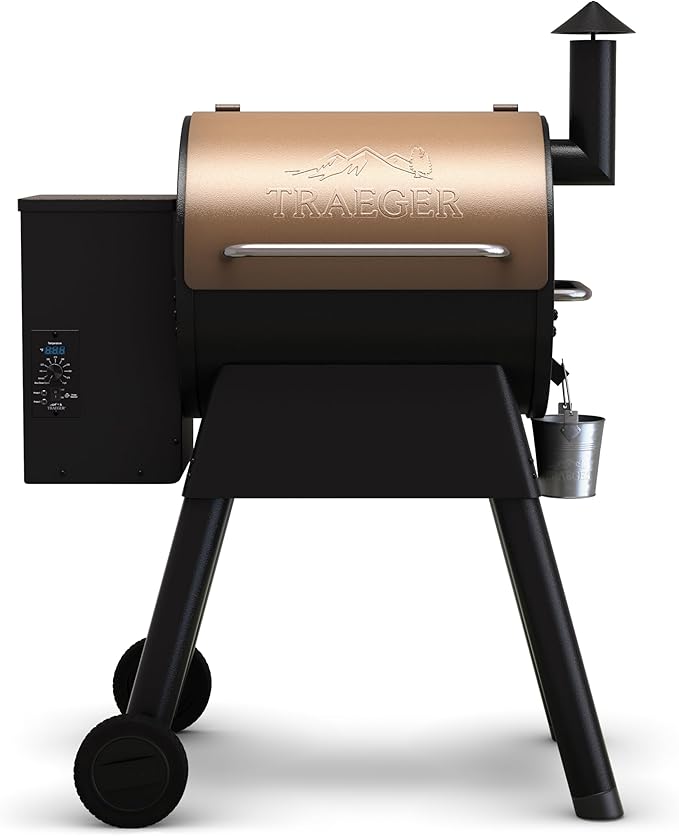
Traeger Pro 22 — the smaller sibling for tight patios
If the Pro 575 feels oversized for your deck or balcony, the Traeger Pro 22 is the same basic platform in a smaller footprint. You give up the WiFire app and the D2 controller in exchange for a simpler analog dial, which some beginners actually prefer because there is one less screen to learn. With 418 square inches of cooking surface, it handles a family of four comfortably and uses identical pellets and accessories as the bigger Traegers. It is a tempting compromise if you want the Traeger experience but do not need 575 square inches of grate space.
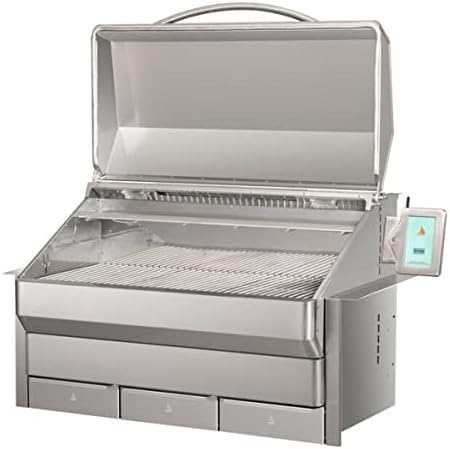
Check the Traeger Pro 22 on Amazon
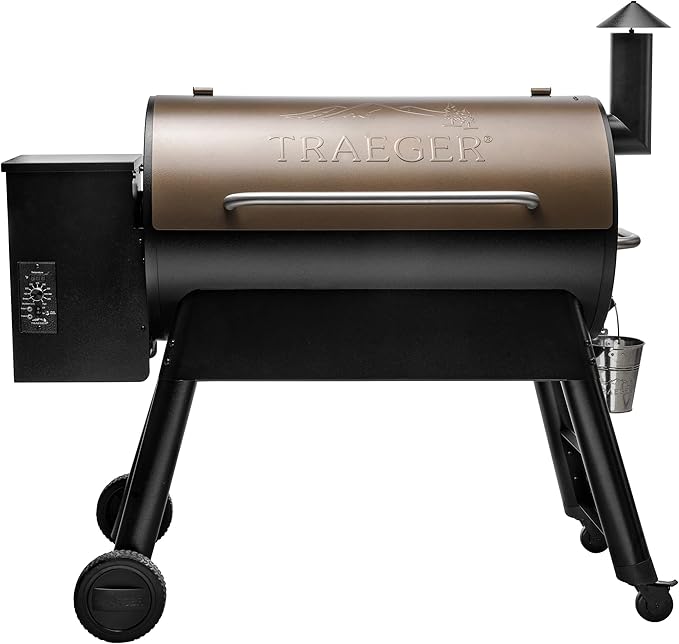
Traeger Pro 34 Bronze — when you want to out-grill the Pit Boss 850
The Pro 34 is Traeger's answer to anyone who likes the Traeger app and ecosystem but needs Pit Boss-sized real estate. At 884 square inches, it actually beats the PB 850 slightly on raw space, while keeping WiFire control and Traeger's recipe library. It costs roughly $300 more than the Pit Boss 850, but for buyers who value app reliability, dealer support, and resale value, it is the natural upgrade path from the Pro 575 once you outgrow it.
Check the Traeger Pro 34 on Amazon
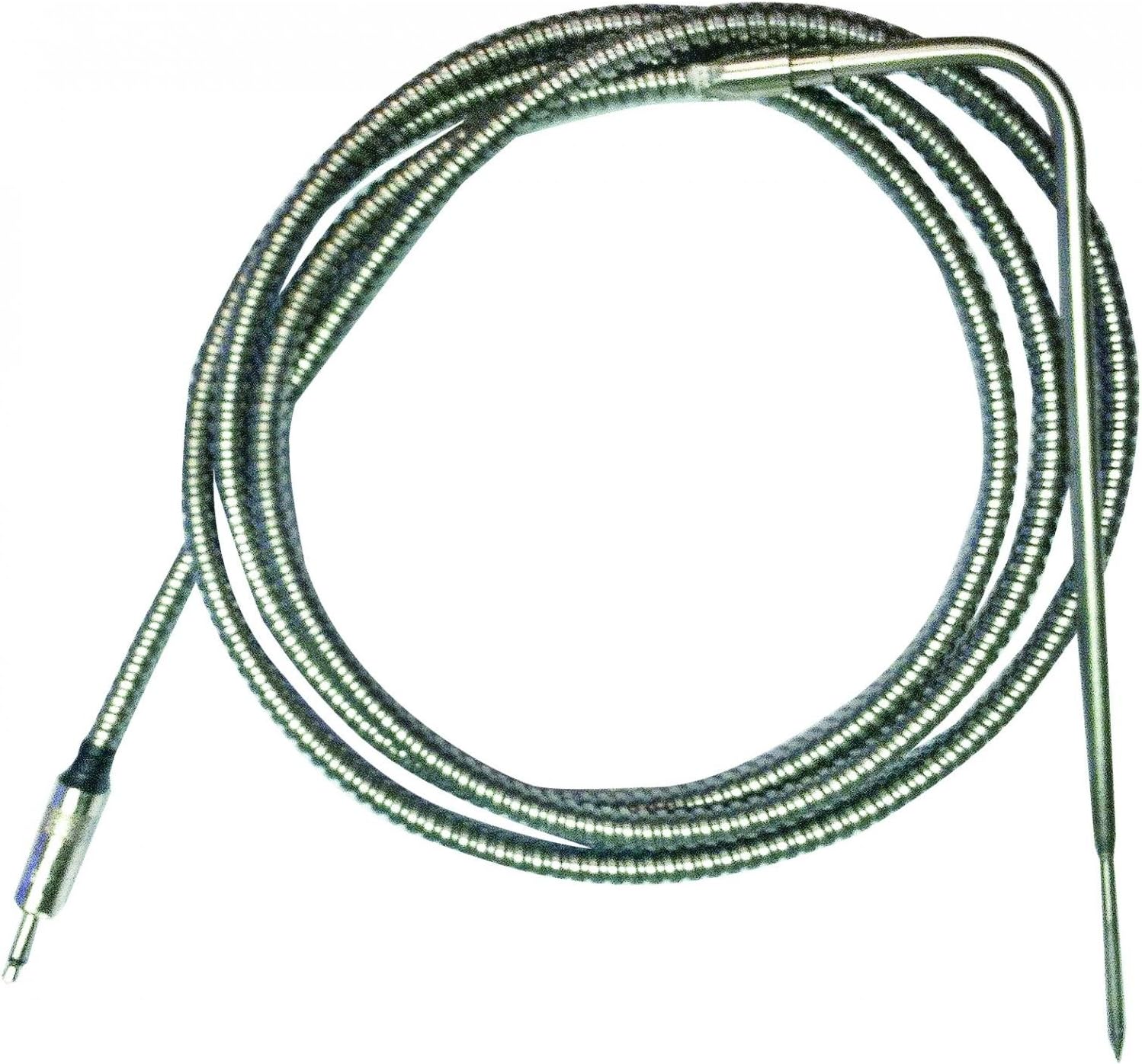
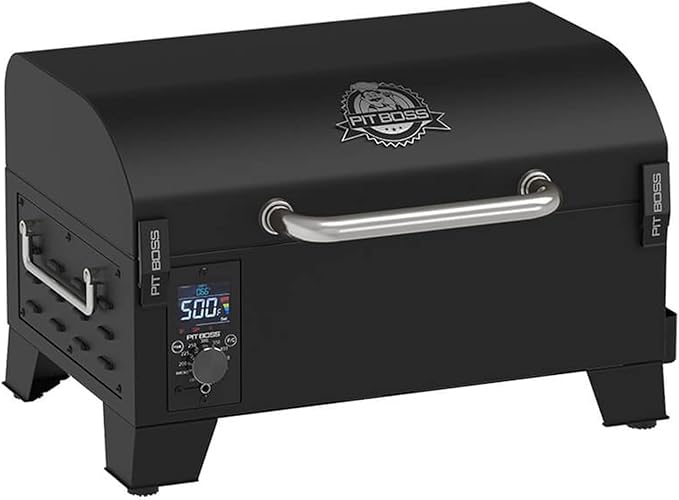
Pit Boss PB150PPG Tabletop — the portable Pit Boss
For tailgates, camping, or small-balcony apartment cooks, the Pit Boss PB150PPG tabletop pellet grill is a useful second grill or low-risk first grill. It uses the same wood pellets, runs off a standard outlet, and gives you a no-commitment way to learn pellet smoking before you buy a full-size cabinet. Many weekend cooks end up keeping it long-term as their go-to for steaks at the lake and camp breakfast on the road.
Check the Pit Boss PB150PPG on Amazon
Amazon Basics 16-inch Vertical Charcoal Smoker — old-school backup
If pellet pricing or power outages worry you, a basic vertical charcoal smoker is cheap insurance. The Amazon Basics 16-inch is not going to compete on convenience, but it teaches you live-fire fundamentals — managing intake vents, judging coals, layering wood chunks — that make you a better pellet operator too. At under $90, it is a reasonable second smoker for anyone who wants to broaden their range without spending big.
Check the Amazon Basics vertical smoker on Amazon
Setup, seasoning, and your first weekend cook
Whichever you pick, the first-day routine is the same: assemble, season, and do not skip a step. Assembly takes 60-90 minutes for the Pro 575 and about 90-120 minutes for the larger PB 850. Burn off the factory residue at 350-450°F for 30-40 minutes with the lid closed and an empty grate. After that, do a low-and-slow first cook — chicken thighs at 250°F or a small pork shoulder — to build your confidence before you commit to a 12-hour brisket.
Stock up on a few essentials: a 20-pound bag of competition-blend pellets, an extra wireless meat probe, a stiff brass grate brush, and a roll of pink butcher paper. Skip the gimmicky accessories early; you will learn what you actually need after three or four weekends of cooks. For pellet selection guidance, see our best pellets buying guide, and if you are still weighing fuel types entirely, our pellet vs charcoal smoker comparison walks through the trade-offs in detail.
Frequently Asked Questions
Is the Traeger Pro 575 worth the extra $200 over the Pit Boss 850 for a true beginner?
For most absolute beginners, yes — but only if app reliability and recipe handholding matter to you. The Traeger WiFire ecosystem genuinely cuts the learning curve in half during your first ten cooks. If you would rather spend the difference on pellets, meat, and a better wireless thermometer, the Pit Boss 850 is the more practical buy and the gap closes quickly with experience.
Can I smoke a full packer brisket on either grill?
Yes on both. A 14-pound packer fits diagonally on the Pro 575's main grate with maybe an inch to spare. The Pit Boss 850 has obvious room to fit two briskets side by side. Plan on roughly 1.5 hours per pound at 225°F on either grill, and wrap in butcher paper around the 165°F internal mark to power through the stall.
Which is easier to clean after a weekend cook?
The Pro 575 wins on cleanup. Its grease management funnels into a single bucket that swaps in seconds. The PB 850's drip tray is larger and catches more, but you have to pull it forward and scrape it after every two or three cooks. Vacuum the firepot on both grills every 20 hours of cook time to prevent auger jams and bad ignitions.
Do I need different pellets for the Traeger Pro 575 vs Pit Boss 850?
No. Both accept any standard food-grade hardwood pellet, and both run beautifully on competition blends, hickory, oak, cherry, or applewood. Stick to reputable brands — wet or dusty pellets cause auger problems on either grill. Many weekend cooks happily run Pit Boss brand pellets in their Traeger and vice versa with zero difference in flavor.
How loud are these pellet grills at 225°F?
Both run roughly 50-55 decibels — about the volume of a quiet refrigerator. You will hear the auger click every 15-20 seconds and the induction fan hum continuously. Neither is loud enough to bother neighbors or interrupt a conversation on the patio, even in a tight townhouse layout.
What is the realistic learning curve for a first-time pellet grill owner?
Expect three to five weekend cooks before you feel confident running long smokes unattended. Pellet grills are forgiving compared to offset stick burners, but you will still need to learn meat selection, target internal temps, the stall, and resting times. Our beginner BBQ recipe guide walks through five foolproof first cooks in order of difficulty.
Does either grill handle direct grilling for burgers and steaks?
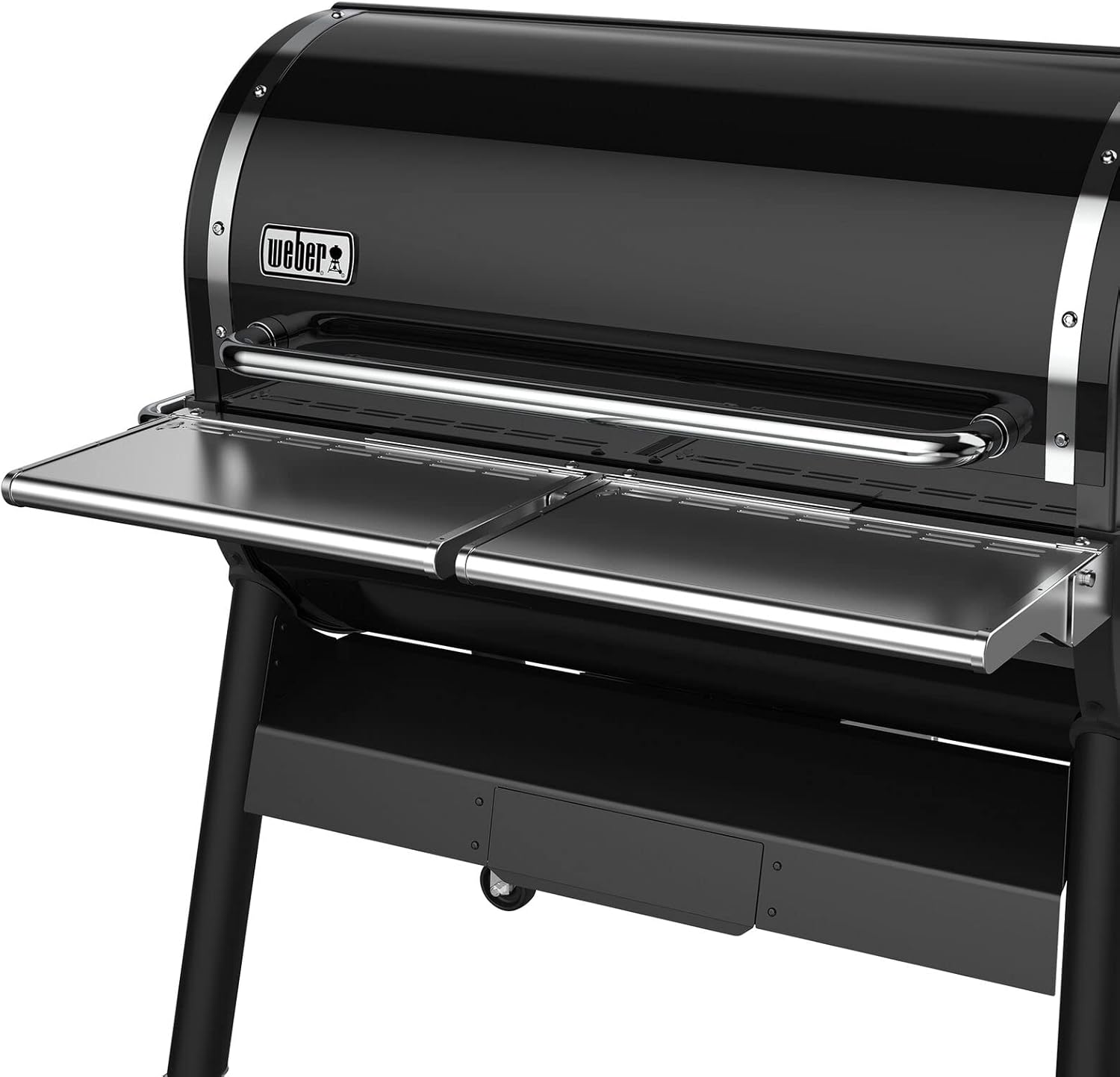
The Pit Boss 850 is meaningfully better here thanks to the sear slide, which exposes the grate to direct flame for steakhouse-quality crust. The Pro 575 maxes out around 500°F with indirect heat, which is fine for burgers but underwhelming for a ribeye. If steaks are a weekly thing, the Pit Boss or a small companion gas grill is the smart move.
Key Takeaways
- Choosing the right traeger pro 575 vs pit boss 850 for weekend backyard bbq beginners means matching capacity and output ports to your actual devices
- Always check actual watt-hours (Wh), not just watts — runtime depends on Wh, not peak output
- Also covers: traeger 575 or pit boss 850 beginner
- Also covers: traeger pro 575 pit boss 850 comparison
- Also covers: weekend bbq pellet grill beginners
- Compare price-per-Wh across models to find the best value for your budget