As an Amazon Associate this site earns from qualifying purchases.
Top Picks
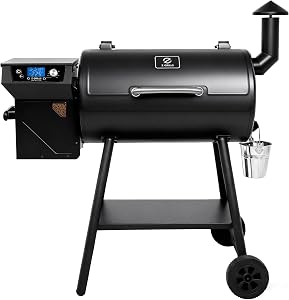
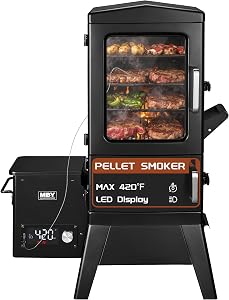
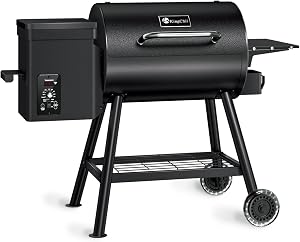
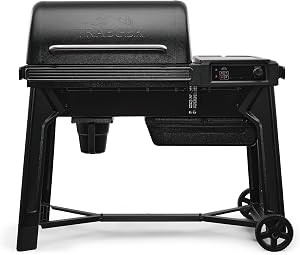

- PID Precise Temperature Control: Our advanced PID system delivers steady 180–425°F heat with dual meat probe ports. The auto cool-down fan cuts fire risks. Keep the lid closed as
- WOOD-SMOKED FLAVOR: With 11-pound hopper capacity, you can enjoy the delicious taste of wood-smoked food. Our grill uses D2 feeding technology and a liftable hopper to save space

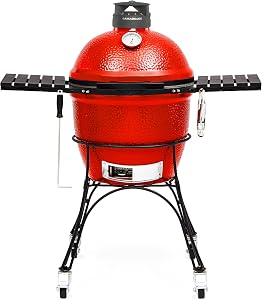
- Premium 18″ Ceramic Grill with Cast Iron Cart & Locking Wheels – The Kamado Joe Classic II gives the perfect cooking size of 18 inches along with its Premium cart that comes with
- 2-Tier Divide & Conquer - Divide & Conquer Flexible Cooking System transforms the humble grill grate into the most powerful cooking tool in your arsenal. The revolutionary

- Enhanced Wood-Fired Flavor: Experience authentic wood-fired cooking with the Traeger Woodridge pellet smoker grill, delivering rich, natural taste and incredible results without
- Precise Temperature Control: Maintain consistent heat from 180-500°F controlled and monitored from anywhere with the Traeger App. Making it easy to grill, smoke, bake, roast

- SIGNATURE BLEND WOOD FIRED FLAVOR: The flavors of hickory, maple, and cherry hardwoods combine for in our Traeger Signature Blend Hardwood Pellets for flavor that can take on just
- NOT ALL PELLETS ARE CREATED EQUAL: The best wood-fired grill on the market demands the best wood pellets on the market. Real taste doesn't just happen, it’s tied to quality
Wood Pellet Shelf Life at a Glance
| Storage Condition | Expected Shelf Life | Quality Impact |
|---|---|---|
| Sealed bag, climate-controlled room | 18-24 months | Minimal - tastes fresh |
| Sealed bag, dry garage | 6-12 months | Slight flavor loss |
| Opened bag, airtight bucket + desiccant | 3-6 months | Acceptable performance |
| Opened bag, original packaging | 1-3 months | Noticeable degradation |
| Any bag exposed to humidity | 2-3 weeks | Crumbled and unusable |
> ### The 10-Second Answer > Properly stored wood pellets last 6 months to 2+ years. Pellets exposed to humidity? They can crumble into useless sawdust in as little as 2-3 weeks. Shelf life is about moisture control, not the calendar.
I Learned This Lesson the Hard Way
It was August in Tennessee. The kind of soul-melting, humid summer where the air feels like a wet towel draped over your shoulders, and your shirt sticks to your back before you've finished your coffee.
I cracked open my garage door one Saturday morning, ready to fire up the smoker for a Boston butt that had been dry-brining since Thursday night. I reached for a brand-new 40 lb bag of Pit Boss Competition Blend.
It felt... wrong.
Soft. Lumpy. Like a bag of damp oatmeal someone forgot on the porch.
That $24 bag went straight into the trash. My beautiful pork shoulder went into the oven (the shame still haunts me). And I started a three-year obsession to figure out exactly how long pellets last, what kills them, and how to make a single bag stretch as long as possible.
Here's everything I've learned the hard way - so you don't have to make the same expensive mistakes.
> The Bottom Line: A premium $30 bag of pellets stored poorly is worth less than a $12 bag stored properly. Storage is the great equalizer.
See It In Action: The Truth About Pellet Storage
Before we go deeper, watch this eye-opening breakdown. Sometimes seeing the damage firsthand changes how you treat every bag you own:
My Top 3 Picks for Pellet Storage & Performance
After testing dozens of products across countless cooks, these three earned permanent spots in my arsenal:
- Best All-Around Pellets: Traeger Signature Blend 20 lb - Check Price on Amazon
- Best Budget Bulk Pellets: Pit Boss Competition Blend 40 lb -
- Best Temperature Monitor: ThermoPro TP20 Wireless -
The Real Enemy: Moisture, Not Time
Here's the truth most blogs get dead wrong:
> Wood pellets don't really "expire" like food does. They degrade when they absorb moisture.
Pellets are manufactured by compressing sawdust under intense heat and pressure. That process activates lignin - a natural polymer in wood that acts as the glue holding each pellet together. The second moisture sneaks in, the lignin bond breaks down, and your premium hardwood pellets transform into soggy, useless sawdust.
It's chemistry, not magic. And it's working against you the moment that bag leaves the factory.
The Squeeze Test
> Pro Tip: A fresh pellet should feel like dry, uncooked rice - hard, smooth, and uniform. If it crumbles between your fingers like a stale cookie? It's done. Toss it without hesitation. Burning bad pellets ruins your food AND can damage your auger.
My Real-World 30-Day Humidity Test
Last summer I ran a controlled experiment with three identical samples of Bear Mountain Hickory pellets over 30 days. The results were genuinely shocking:
| Location | Humidity Level | Result After 30 Days |
|---|---|---|
| Air-conditioned basement | ~45% RH | Perfect condition |
| Open garage | Peaked at 78% RH | Swollen, soft, crumbled when squeezed |
| Sealed 5-gallon bucket + desiccant | Under 30% RH | Indistinguishable from a fresh bag |
The verdict: How long your pellets last is 90% about how you store them. Not the brand. Not the wood type. Storage. Period.
The Warning Signs Your Pellets Are Done
Don't waste a $60 brisket on questionable pellets. Watch for these red flags:
- The Crumble - Pellets break apart with light pressure between your fingers
- The Swell - Individual pellets look fatter, fuzzier, or have split ends
- The Smell - A musty, mildewed odor instead of that sweet wood aroma
- The Dust - More sawdust than pellets in the bottom of the bag
- The Sound - Fresh pellets rattle like marbles; bad pellets thud dully
How to Store Pellets Like a Pitmaster
Want to learn the storage system competition cooks swear by? This video breaks down the gold-standard setup:
The 5-Step Bulletproof Storage System
- Transfer immediately - Move opened bags into airtight 5-gallon buckets with gamma-seal lids the same day you open them
- Add moisture absorbers - Drop in 2-3 silica gel desiccant packs (the bigger, the better)
- Elevate off concrete - Concrete floors wick moisture upward; use a wood pallet or shelf
- Climate matters - Aim for under 50% humidity and stable temperatures below 80F
- First in, first out - Date your buckets with a sharpie and burn through older pellets first
Frequently Asked Questions
Can I revive moisture-damaged pellets by drying them out?
Unfortunately, no. Once the lignin bond breaks, it's broken forever. Drying them just gives you dry sawdust - which will jam your auger and burn unpredictably. Just toss them.
Do different wood types have different shelf lives?
Minimal difference. Dense hardwoods like oak and hickory hold up slightly better than softer fruit woods like apple or cherry, but storage conditions matter 50x more than wood species.
Are vacuum-sealed pellets worth the extra money?
If you're buying in bulk and storing long-term - absolutely. Vacuum-sealed pellets can last 3+ years with no quality loss. For casual users? A good bucket system gives you 90% of the benefit at 10% of the cost.
Can I store pellets outside if they're sealed?
No. Temperature swings cause condensation INSIDE the bag - even sealed bags. Always store indoors or in a climate-stable shed.
The Final Word
Wood pellets aren't fragile - but they ARE unforgiving. Treat them right, and a single bag can deliver months of mouthwatering smoke. Treat them carelessly, and you're literally burning money in your driveway.
Your action plan, starting today:
- Buy an airtight bucket
- Drop in some desiccant packs
- Pick a cool, dry spot indoors
- Date everything
- Never look back
Now go cook something incredible.
