As an Amazon Associate this site earns from qualifying purchases.
Quick Picks: The 3 Tools That Solve Most Pellet Grill Problems
| Problem | Recommended Fix | Price |
|---|---|---|
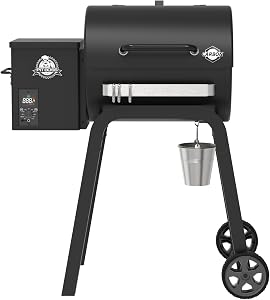
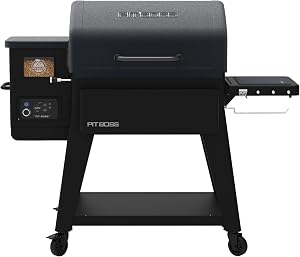
| Inconsistent temps / bad pellets | Pit Boss PB440FB1 Pellet Grill | See the product list on this page |
| Don't trust grill's thermometer | ThermoPro TP20 Wireless | See the product list on this page |
| Moisture damage / rust issues | Traeger Full-Length Grill Cover | See the product list on this page |

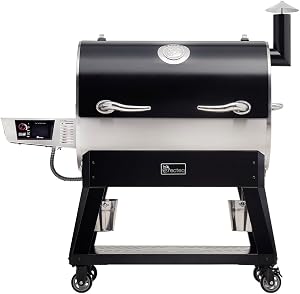
- Dial-in digital control with LCD screen
- Porcelain coated steel cooking grids

- SMOKY STATS: These wood pellet grills and pellet smoker grill combo deliver 1667 sq in of cooking space, 180ºF-700ºF range, 40-hour nonstop cooking with a full hopper, PID
- DO IT ALL WITH ONE GRILL: Smoke, BBQ, Sear, Bake, Braise, & even Dehydrate on this outdoor grill & smoker for incredible wood fired flavor every time with wood pellets

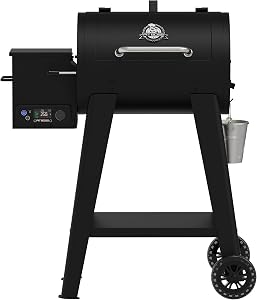
- Reach temperatures from 180° to 500° with the digital control board with 5°F increment settings
- Turn up the heat with the Flame Broiler Lever which allows for direct flame searing up to 1,000°F

- REAL HARDWOOD FLAVOR: Pellet smoker grill to help create a richer, smokier flavor, fueled with 100% all-natural hardwood pellets
- ROOM FOR ONE MORE: Pit Boss pellet smoker has 718 sq in of total cooking surface for dozens of patties at once, plus smoked veggies, desserts and more
Top Picks
Your Grill Is Acting Up. Let's Fix It in the Next 15 Minutes.
You set the dial to 375°F. The grill stalled at 200°F. The brisket is sitting on the counter. The guests show up in two hours.
Take a breath. I've been there — more times than I care to admit.
If your pellet grill won't heat past 200°F, the auger is jammed, or you're staring down a blinking Er1 code, the fix is almost always one of four things:
- Damp pellets
- A dirty fire pot
- A failing igniter
- A clogged auger tube
This guide walks through the exact steps I use, in the exact order I use them. No fluff. No filler. Just fixes that work.
> "80% of pellet grill problems trace back to two things: pellet quality and moisture. Master those, and you've already won."
The Stat That Changes How You Troubleshoot
80% of issues = bad pellets or moisture
15% of issues = dirty fire pot or clogged auger
5% of issues = electrical (igniter, fan, controller)
Watch First: The 5-Minute Diagnostic Walkthrough
Before you start pulling panels off, watch this. It'll save you 20 minutes of guesswork.
The 6 Most Common Pellet Grill Problems
In my experience, here's what walks through the door (or shows up in my DMs) most often:
- Pellet grill not heating to set temperature
- Auger jammed or not feeding pellets
- Error codes (Er1, Er2, ErH, LEr)
- Excessive smoke — or no smoke at all
- Flame-outs mid-cook (the dreaded "my grill died at 2 AM")
- Temperature swings of 40°F or more
Problem 1: Pellet Grill Not Heating Properly
 This is the #1 complaint I hear. Last summer my Z Grills topped out at 225°F when I'd set it to 375°F. I had four racks of ribs on, a yard full of in-laws, and a sinking feeling in my stomach.
The culprit? A handful of dust at the bottom of the hopper had clogged the auger intake. Took me 12 minutes to fix once I knew where to look.
The Step-by-Step Fix
1. Check your pellets first. Squeeze a few between your fingers. If they crumble like stale cookies, they've absorbed moisture and won't burn hot. I learned this the hard way after leaving a half-full hopper through a humid August week.
2. Empty the hopper completely. Vacuum out the fines — that fine sawdust at the bottom that looks innocent but acts like cement. I use a shop vac with a narrow nozzle.
3. Clean the fire pot. Scrape it down to bare metal. Ash buildup over a quarter-inch will choke airflow faster than a stopped-up chimney.
4. Inspect the induction fan. Spin it by hand. If it doesn't move freely, grease and dust are the issue.
5. Refill with fresh pellets. My go-tos: Pit Boss 700 Carbon Series Wood Pellet Grill & Smoker with LCD Digital and Bear Mountain Hardwood Pellets. Both burn clean and consistent, and I've never had a moisture issue with sealed bags.
Problem 2: The Dreaded Auger Jam Fix
Auger jams sound terrifying — like you've broken something expensive. But the fix takes 15 minutes, and I've done it six or seven times across my grills without breaking a sweat.
What You'll Need
- A 4mm hex key
- A flathead screwdriver
- A shop vac
- Patience (and maybe a cold beverage)
The Step-by-Step Fix
1. Unplug the grill. Non-negotiable. The auger motor has enough torque to break a finger. I'm not exaggerating — read the warranty fine print.
2. Empty all pellets from the hopper. Save the dry ones in a sealed bucket.
3. Remove the auger access panel. Usually 2–4 screws at the back of the hopper.
4. Find the jam. Nine times out of ten, it's compressed sawdust or a single swollen pellet wedged near the firepot end. You'll see it.
5. Manually rotate the auger. Use the hex key on the motor shaft. Turn it backward first to release pressure, then forward to push debris out.
6. Vacuum the auger tube thoroughly before reassembling. Get every last grain of sawdust out.
Watch: Auger Removal & Cleaning in Real Time
If you're a visual learner like me, this hands-on demo is worth more than any written guide. The first time I did this, I had this video paused on my phone the whole way through.
The Golden Rules of a Trouble-Free Pellet Grill
After five grills and over a thousand cooks, these are the habits that have saved me the most headaches:
- Store pellets in airtight buckets with a Gamma Seal lid. Not the bag they came in.
- Vacuum the fire pot every 3–4 cooks. Five minutes of prevention = zero error codes.
- Run a clean-burn cycle at 450°F for 15 minutes after greasy cooks.
- Empty the hopper if your grill will sit unused for more than 5 days.
- Use a quality cover. Moisture is the silent killer of pellet grills.
Key Takeaways
1. Pellets are the #1 cause of grill problems. Keep them dry, sealed, and fresh.
2. A clean fire pot and auger solve 80% of heating issues — no parts needed.
3. Most "broken" pellet grills aren't broken. They're just dirty or damp.
You've got this. Grab a hex key, a shop vac, and 20 minutes. Your grill will be back to throwing thin blue smoke before the charcoal crowd even fires up their chimney starter.
Now go cook something incredible.
