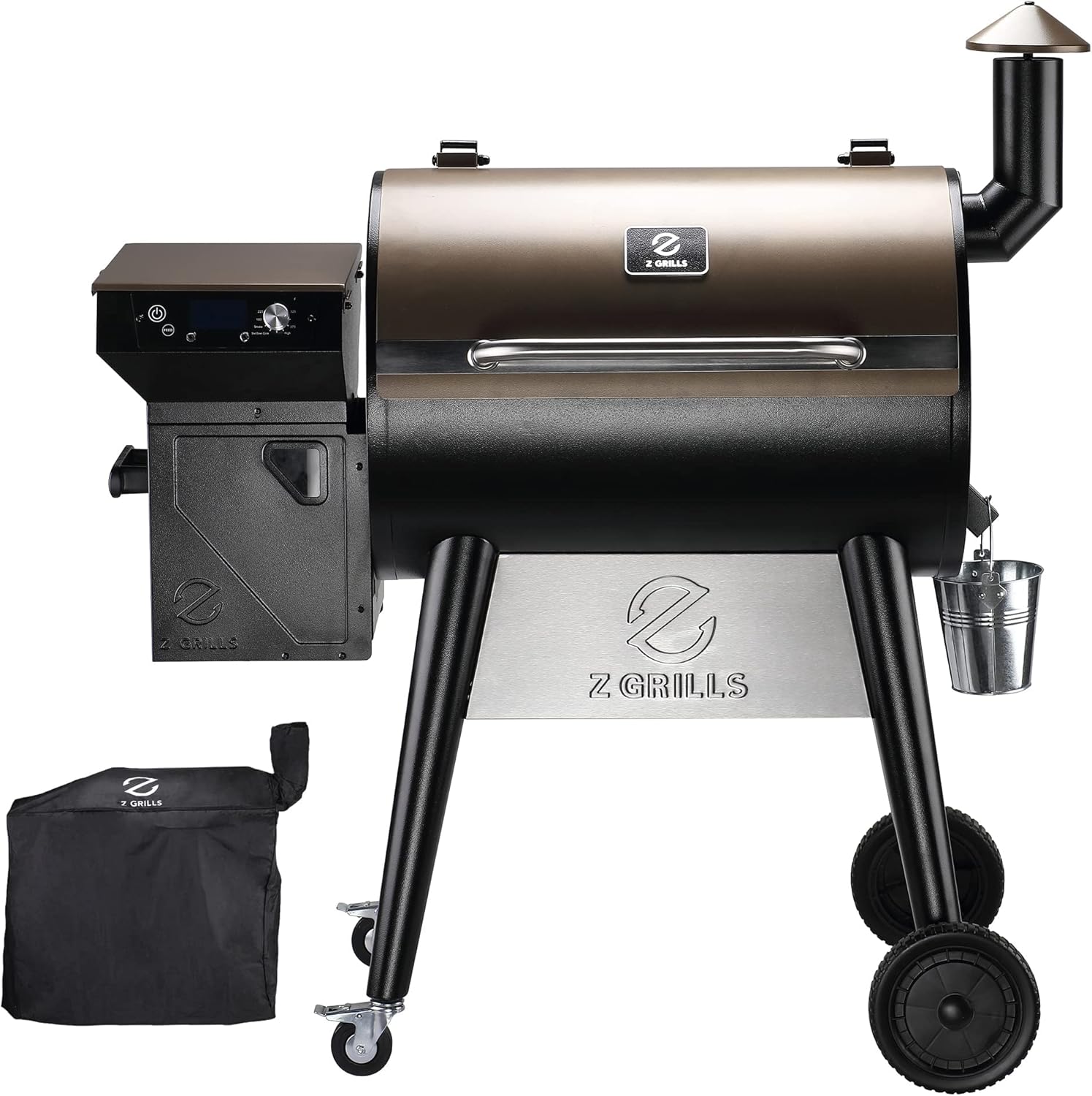
Looking for a 12V battery powered pellet grill for tailgating in 2026? The honest truth: most pellet grills run on 110V AC, but with a 12V deep-cycle battery and a pure sine wave inverter, you can absolutely run a portable pellet grill from your truck battery or a marine battery in the stadium parking lot. The Pit Boss PB150PPG Table Top Wood Pellet Grill is the top pick because it draws only about 200 watts at startup and roughly 50 watts during steady-state cook cycles, making it the most practical 12V battery powered pellet grill for tailgating game days.
Why a 12V Battery Powered Pellet Grill for Tailgating Actually Works
Pellet grills get a reputation for needing shore power, and that's part of the truth — every wood pellet grill on the market uses an electric auger motor, an induction fan, and a hot rod igniter, all of which require AC voltage. But the actual current draw is surprisingly modest once the igniter cycles off. After the first 4-5 minutes of startup, most tabletop and mid-size pellet grills settle into a steady 30-70 watt draw, well within the range of a 1000-1500 watt pure sine wave inverter connected to a single Group 27 or Group 31 deep-cycle 12V battery.
That means tailgaters who plan ahead can absolutely smoke ribs, sear burgers, and reverse-sear tri-tip in a parking lot with no generator, no extension cord running to the concession stand, and no noisy gas-powered inverter unit ruining the pregame mood. The trick is matching the grill's wattage profile to the right battery and inverter combo — and picking a pellet grill compact enough to actually fit on your tailgate.
Our Top Picks for the Best 12V Battery Powered Pellet Grill for Tailgating in 2026
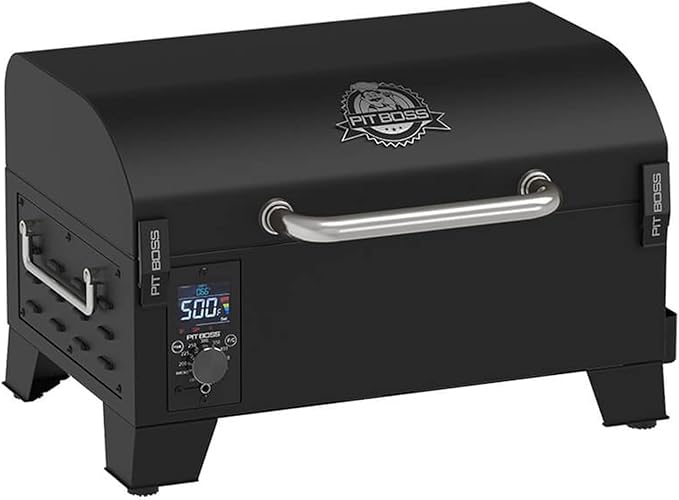
Pit Boss PB150PPG Table Top Wood Pellet Grill — Best Overall for Tailgaters
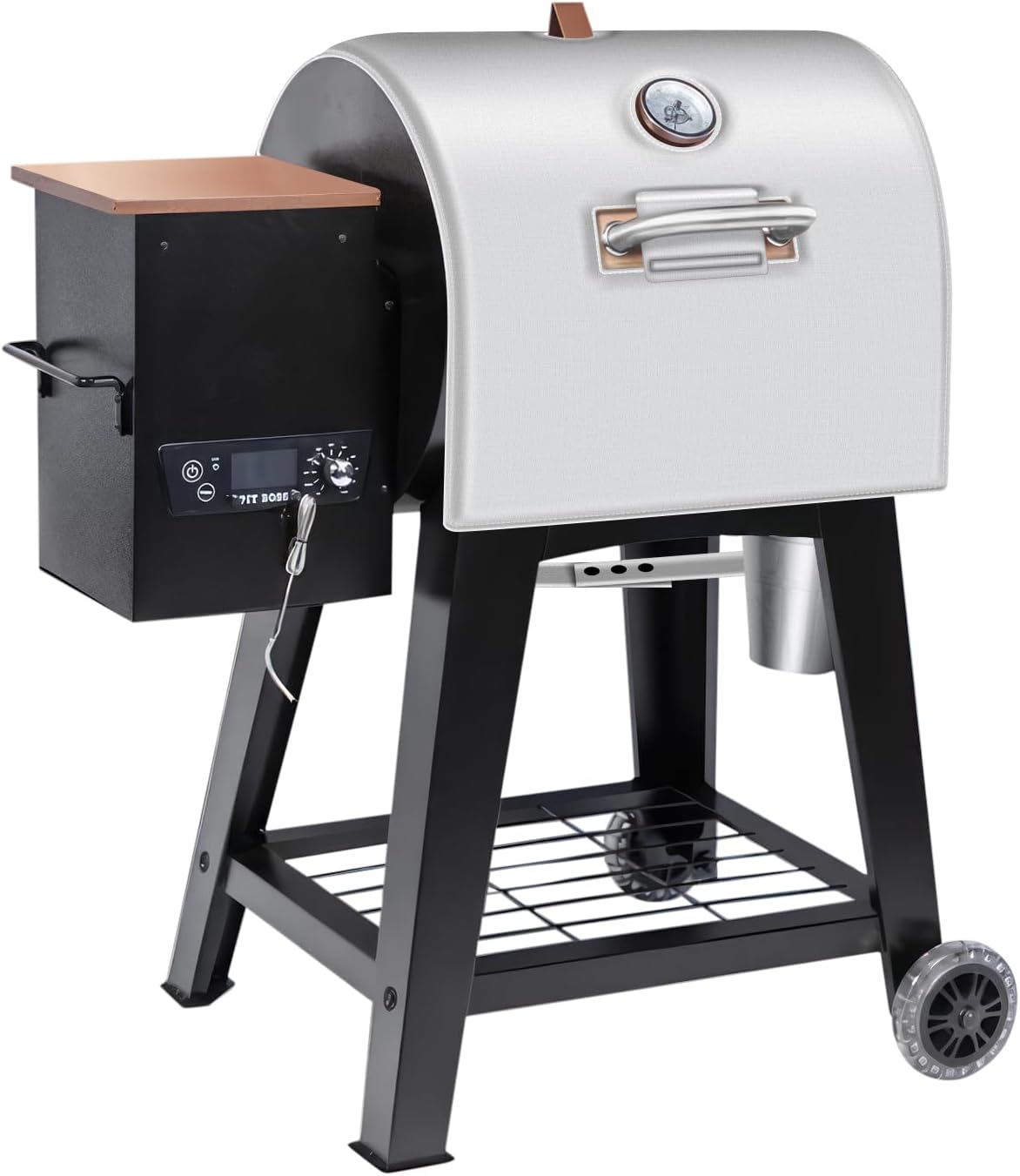
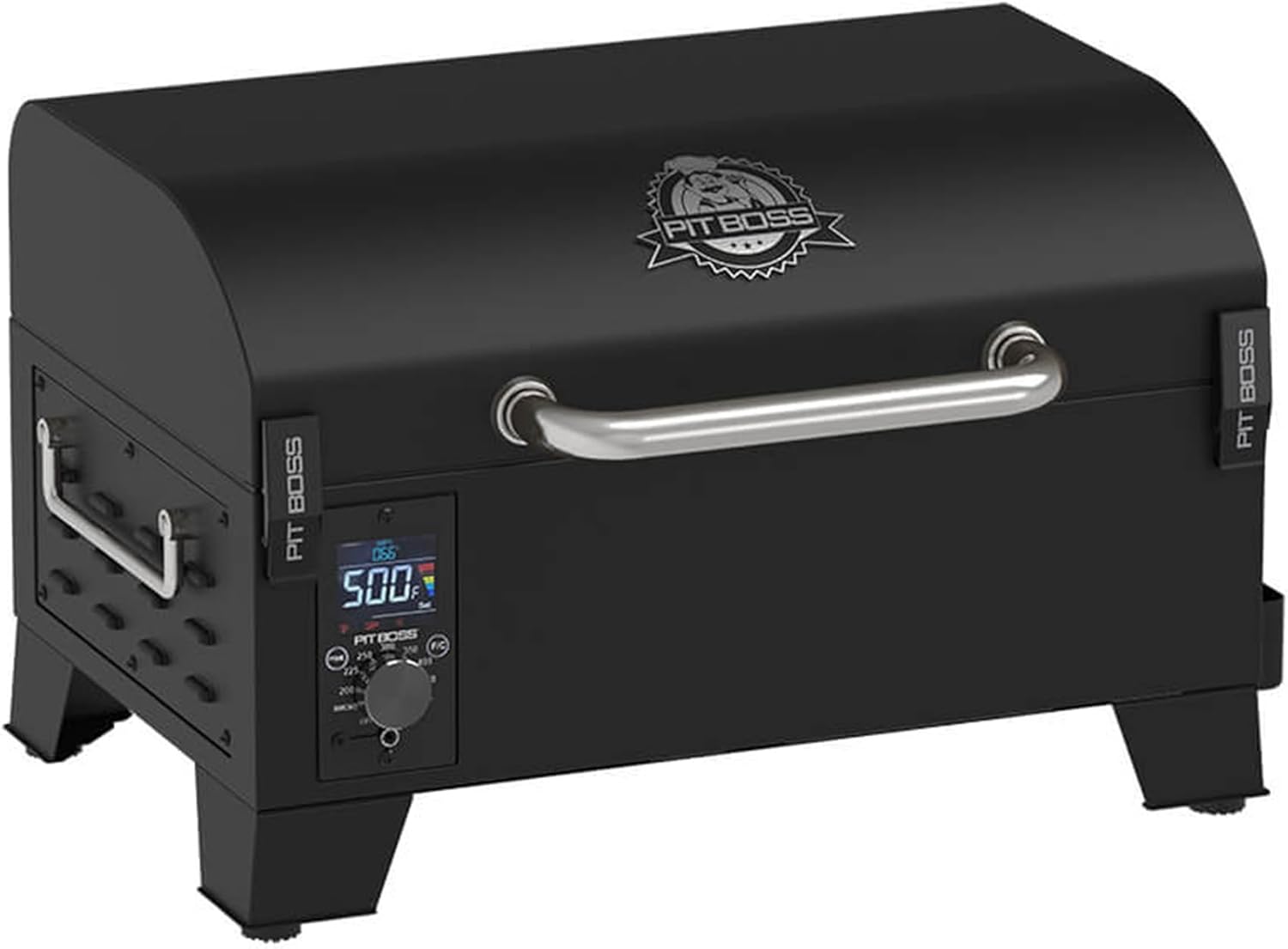
The Pit Boss PB150PPG is the grill we recommend to nine out of ten tailgaters asking about battery power. It's a true tabletop unit measuring about 21 inches wide, weighs roughly 38 pounds, and has a 256 square inch cooking surface — enough for a dozen burgers or three racks of baby back ribs. More importantly, its single-fan, single-auger design pulls only about 200 watts at startup and drops to 40-60 watts during cruise. A 100Ah lithium battery paired with a 1000W pure sine wave inverter will run this grill for 8-10 hours of low-and-slow smoking, which is more than enough for a full game-day cook session. The hopper holds about 5 pounds of pellets, the included meat probe lets you monitor internal temp without lifting the lid in cold weather, and the porcelain-coated grates clean up fast in a parking lot setting.
Check the latest price on the Pit Boss PB150PPG Table Top Pellet Grill on Amazon.
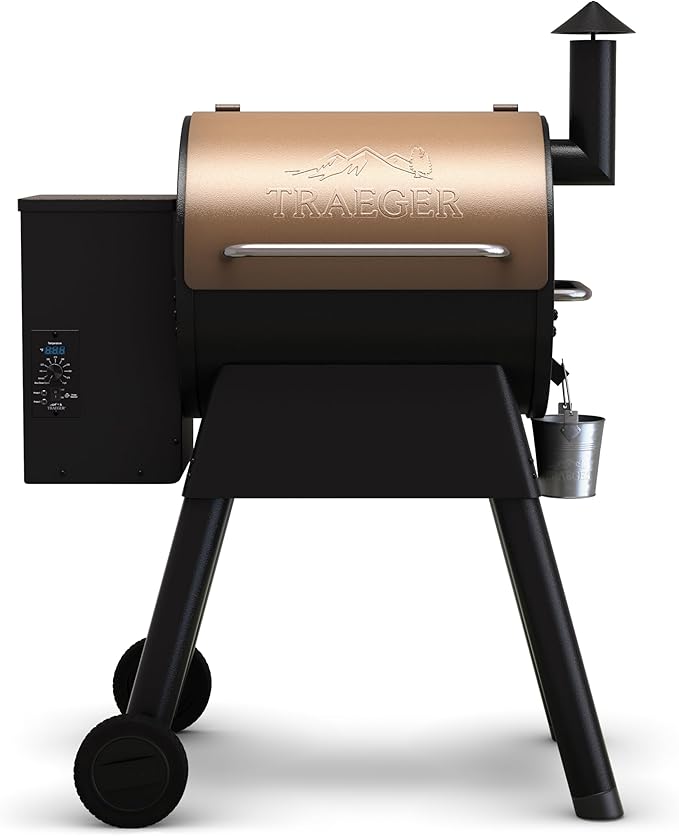
Traeger Pro 22 Wood Pellet Grill & Smoker — Best for Larger Tailgate Crews
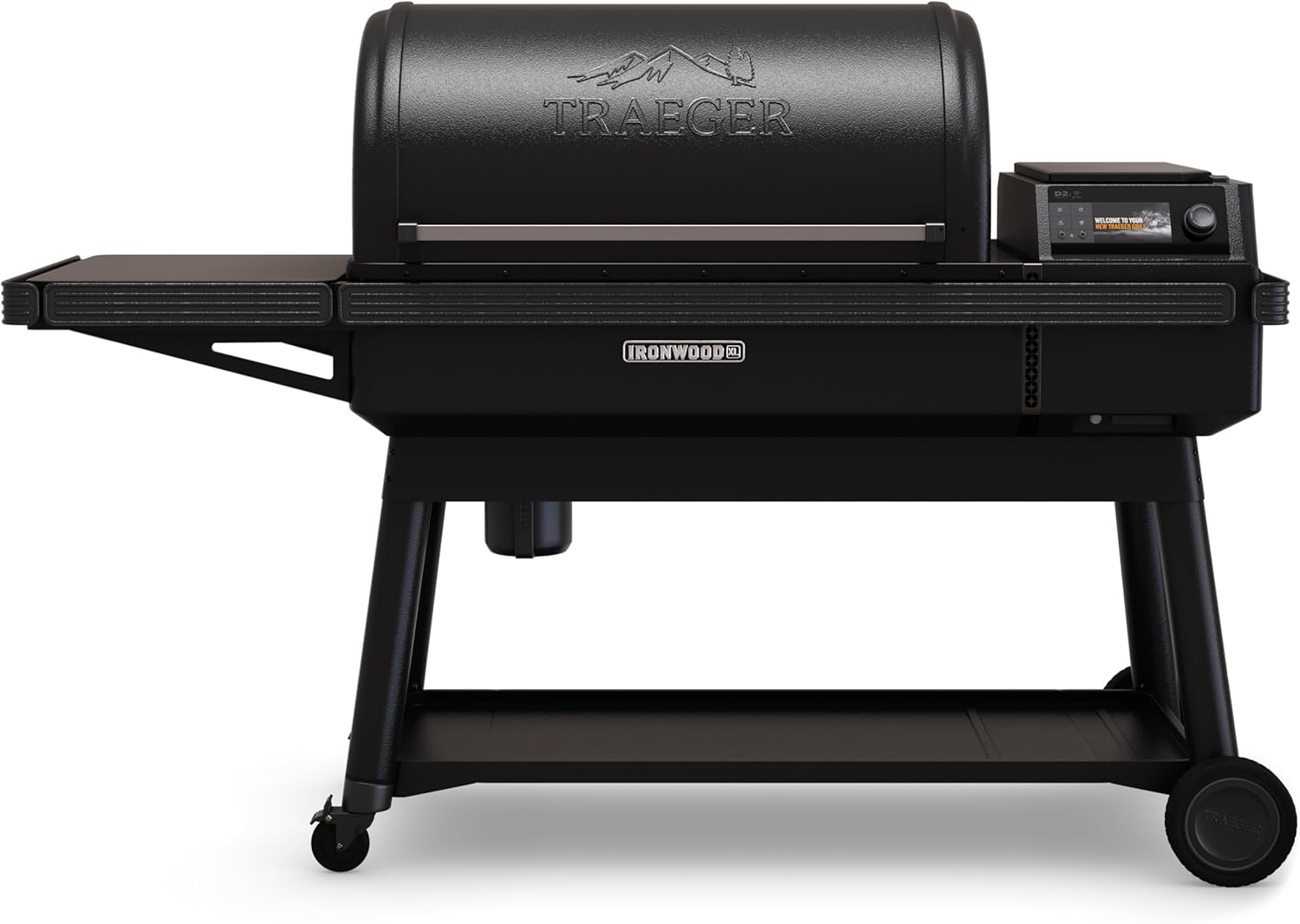
If you're feeding 15-20 hungry fans and the Pit Boss tabletop is too small, the Traeger Pro 22 steps up to 572 square inches of grilling area while still keeping the electrical draw inverter-friendly. The Pro 22 uses Traeger's standard auger-and-fan combo and pulls roughly 300 watts at ignition before settling around 50-80 watts during smoking. That's a heavier load, so we'd pair this one with a 1500W pure sine wave inverter and at least a 100Ah LiFePO4 battery (or a 200Ah AGM if budget is tight). The trade-off is footprint: at 49 pounds and 41 inches wide, you'll need a full-size truck bed or a folding tailgate stand. The upside is real Traeger flavor at scale — pulled pork shoulders, full briskets, and a 20-pound spread of wings are all on the menu.
See the Traeger Pro 22 Wood Pellet Grill on Amazon.
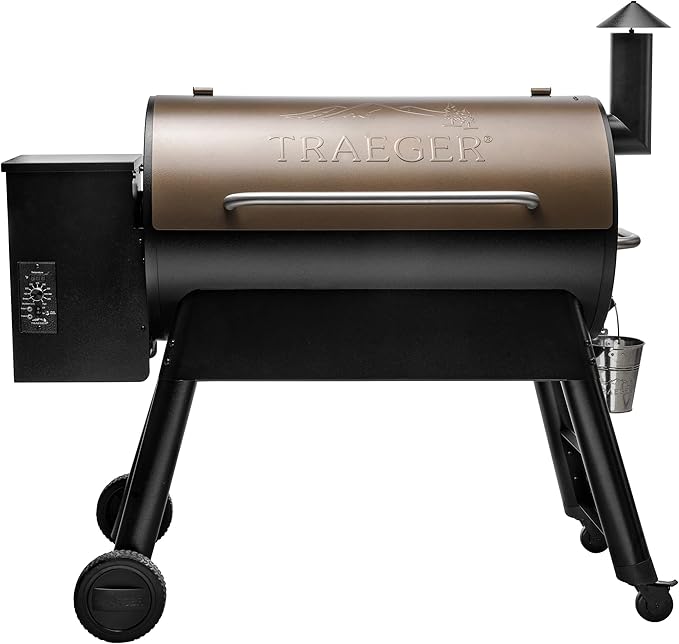
Traeger Pro 34 Wood Pellet Grill — For Backyard-to-Lot Crossover Cooks
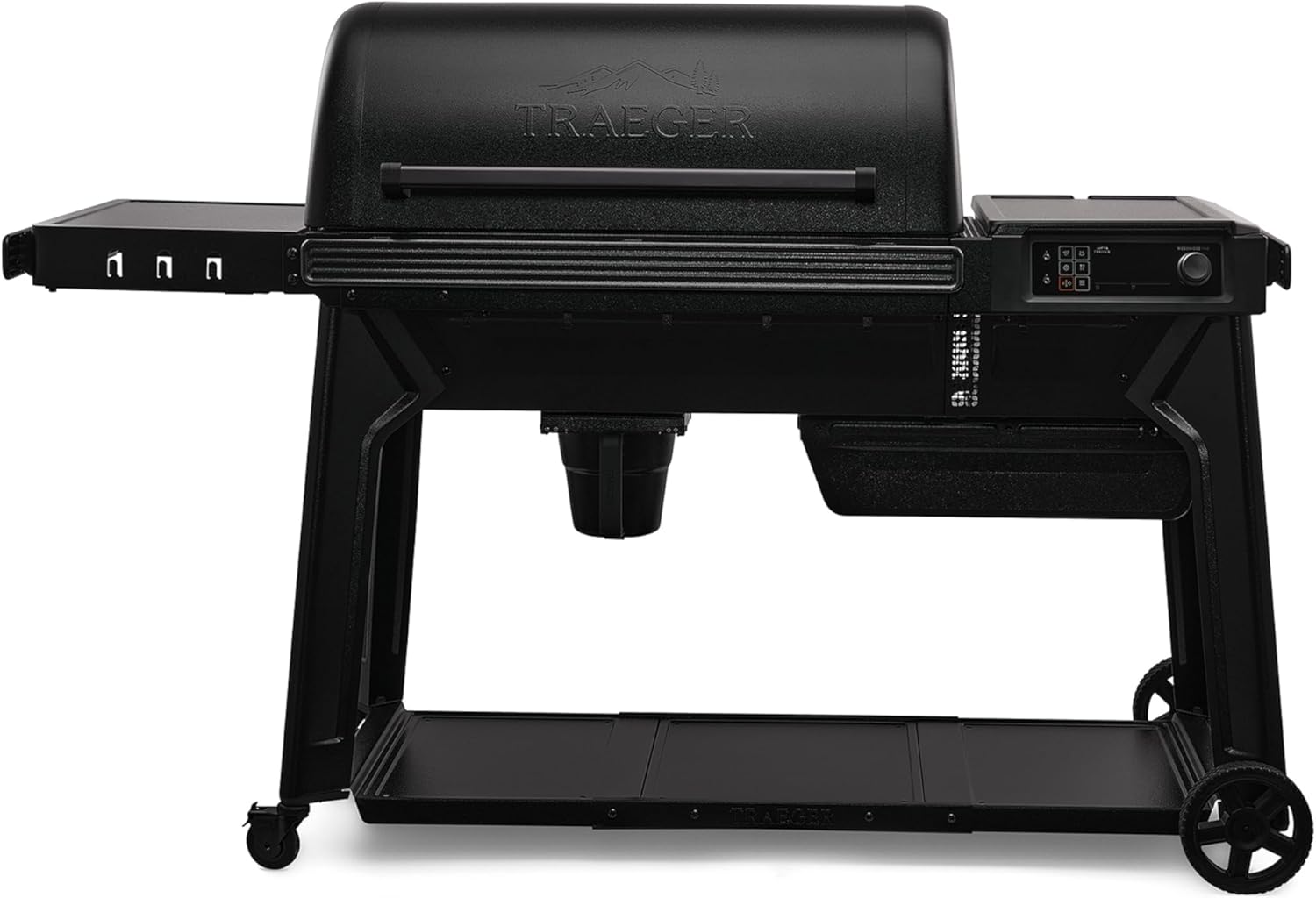
The Traeger Pro 34 is the big brother in the lineup at 884 square inches. It's overkill for most tailgates, but if you host the pregame for a 25-30 person crew or run a charity cook, the Pro 34 earns its place. Wattage is similar to the Pro 22 (a bit higher peak around 350W at startup), so the inverter math doesn't change dramatically. The challenge is mass: at 138 pounds, this is a two-person lift in and out of a truck, and it really wants a flat, stable surface. If your tailgate is more of a backyard-style setup with a generator backup, it's a fantastic crossover. For pure battery-only operation, we'd point you back to the Pro 22 or the Pit Boss tabletop.
View the Traeger Pro 34 on Amazon.
Tailgate Pellet Grill Comparison Table
| Model | Cooking Area | Weight | Startup Watts | Cruise Watts | Recommended Inverter | Best For |
|---|---|---|---|---|---|---|
| Pit Boss PB150PPG Tabletop | 256 sq in | ~38 lbs | ~200W | 40-60W | 1000W pure sine | Solo/small group tailgates |
| Traeger Pro 22 | 572 sq in | ~49 lbs | ~300W | 50-80W | 1500W pure sine | Mid-size crews (10-20) |
| Traeger Pro 34 | 884 sq in | ~138 lbs | ~350W | 60-100W | 2000W pure sine | Big-group hosts with help |
How to Power a Pellet Grill From a 12V Battery at the Tailgate
Getting reliable, fire-safe AC out of your truck battery in a parking lot isn't complicated, but it does require the right gear and a little math. Here's the setup we recommend for a 12V battery powered pellet grill for tailgating that won't leave you with a cold brisket and a dead truck at kickoff.
Step 1: Calculate Your Wattage Budget
Add up the highest startup wattage of your grill (the igniter cycle is the peak load) and multiply by 1.25 to give yourself a safety margin. For the Pit Boss tabletop, that's roughly 250W of headroom — a 600W inverter would technically work but a 1000W unit gives you margin for a phone charger, a Bluetooth speaker, and a string of patio lights. For the Traeger Pro 22, plan on 1500W to leave room for accessories.
Step 2: Use a Pure Sine Wave Inverter (Not Modified Sine)
This is the single most important rule. Pellet grill control boards use sensitive PID temperature controllers that get scrambled by the dirty waveform of a modified sine wave inverter. You'll see error codes, erratic auger behavior, and in some cases a fried control board. Spend the extra $40-80 on a true pure sine wave inverter — brands like Renogy, AIMS, and Victron are well regarded.
Step 3: Pick the Right Battery
A starting battery isn't designed for the deep cycling a 4-hour cook requires. Use a deep-cycle marine, RV, or LiFePO4 battery instead. A 100Ah LiFePO4 will give you roughly 1200 watt-hours of usable energy — enough for 12+ hours of cruise-mode smoking on the Pit Boss or 8 hours on the Traeger Pro 22. If you're using your truck's starting battery, run the engine for 10-15 minutes every couple of hours and never let voltage drop below 12.2V or you'll be calling for a jump start at the fourth quarter.
Step 4: Stage Your Cables and Fuses
Use 4 AWG or thicker copper cable between the battery and inverter, and install an inline fuse at the battery terminal sized to the inverter's input rating. Keep cable runs under 6 feet to minimize voltage drop. For a deeper dive, see our guide to pure sine wave inverters for pellet grills.
Pellet Grill Tailgating Tips That Save Time and Battery
Pre-heat your grill at home before driving to the venue if your cook schedule allows — even 15 minutes of preheat at the house bypasses the highest-draw portion of the cook and means your battery only handles cruise watts in the lot. Bring spare pellets in a sealed container; humidity in stadium parking lots can ruin an open bag in an hour. Use cast iron griddle inserts for searing burgers and dogs to maximize the small cooking surface, and prep all sauces, rubs, and trimmed meats the night before so you're not fighting wind and cold trying to butcher in the lot. For more ideas, our tailgating BBQ recipes roundup has 20 game-day-ready cook plans.
What About Charcoal or Electric Smokers as Backups?
If your battery setup fails or you want a no-power backup, a vertical charcoal smoker can pull double duty. It won't replicate pellet-grill convenience, but it'll get hot brats and pulled pork done with nothing but lump charcoal. For all-day backyard tailgates with shore power available, a commercial-grade electric smoker is a separate category worth exploring in our guide to electric smokers for large groups.
Frequently Asked Questions
How many amps does a pellet grill draw on 12V?
At cruise temperature, a small tabletop pellet grill like the Pit Boss PB150PPG draws about 4-6 amps at 12V through a pure sine wave inverter (accounting for ~85% inverter efficiency). At startup, peak draw spikes to 18-22 amps for 3-5 minutes during the igniter cycle, then drops back to cruise. A mid-size Traeger Pro 22 doubles those numbers approximately.
Can I run a Traeger off my truck battery without an inverter?
No. Every Traeger and every consumer pellet grill on the market requires 110V AC for the auger motor, fan, igniter, and PID controller. You must use a pure sine wave inverter between the 12V battery and the grill. There are no 12V DC native pellet grills sold to consumers in 2026.
How long will a 100Ah battery run a pellet grill?
A 100Ah LiFePO4 battery delivers roughly 1200 usable watt-hours. A Pit Boss tabletop running at 50W cruise consumes about 60Wh per hour, giving you 18-20 hours theoretical runtime — realistically 10-14 hours after igniter cycles and inverter losses. A Traeger Pro 22 at 75W cruise will get 8-10 hours of real-world cook time on the same battery.
What size inverter do I need for a pellet grill at a tailgate?
Match your inverter to 1.25x the grill's peak startup wattage. For a tabletop pellet grill, a 1000W pure sine wave inverter is comfortable. For a full-size Traeger Pro 22 or Pro 34, step up to 1500W or 2000W to handle igniter spikes plus any accessories like lights or speakers running off the same inverter.
Will using a pellet grill drain my car battery?
If you use your vehicle's starting battery, yes — and you may not be able to start your truck after a 4-hour cook. Always use a dedicated deep-cycle marine, RV, or LiFePO4 battery for pellet grill duty at tailgates, or run the engine periodically if you must use the starting battery. A simple jumper-cable connection to a second battery isolated by a battery isolator switch is the safest setup.
Is the Pit Boss PB150PPG good for cold weather tailgating?
Yes, with a couple of caveats. The double-walled hood holds heat well and the unit hits 500°F+ in moderate weather, but in sub-30°F conditions with wind, expect longer preheat times and higher pellet consumption. A welding blanket or insulated grill jacket helps significantly. The built-in meat probe is the real winner for cold-weather cooks since you can monitor internal temps without opening the lid.
Can I use a portable power station instead of a battery and inverter?
Absolutely, and it's the simplest plug-and-play option. Look for a 1000Wh+ power station with a pure sine wave AC output (most modern Jackery, EcoFlow, Bluetti, and Anker units qualify) and you'll get the same tailgate-ready performance without DIY wiring. Expect 8-12 hours of pellet grill runtime per kWh of station capacity. For most tailgaters who don't already own a deep-cycle battery setup, this is the path of least resistance.
Are there any true 12V DC pellet grills for sale?
As of 2026, no major manufacturer sells a native 12V DC pellet grill to consumers. A few overlanding-focused startups have prototyped them, but availability is limited and reliability is unproven. The inverter route is still the standard for anyone serious about pellet grilling off-grid or at the tailgate.
Key Takeaways
- Choosing the right 12V battery powered pellet grill for tailgating means matching capacity and output ports to your actual devices
- Always check actual watt-hours (Wh), not just watts — runtime depends on Wh, not peak output
- Also covers: DC powered pellet grill
- Also covers: tailgate pellet smoker
- Also covers: battery pack pellet grill
- Compare price-per-Wh across models to find the best value for your budget