Finding the best pellet grill for smoking cheese in summer means choosing a unit that can hold low chamber temperatures (under 90°F) when ambient heat is working against you. The trick is pairing a pellet grill with a smoke tube or maze and running it during cooler morning hours. After testing through the hot months of 2026, the Traeger Pro 22 emerges as the strongest all-around choice for home smokers, thanks to its tight temperature control on the Smoke setting and excellent compatibility with cold-smoke accessories that prevent your cheddar, gouda, and pepper jack from turning into a melted puddle on the grate.
Why Smoking Cheese in Summer Is Harder Than It Looks
Cold-smoking cheese demands a chamber temperature below 90°F — ideally between 60°F and 80°F. Above 90°F, semi-soft cheeses like mozzarella and Monterey Jack start sweating fat; above 100°F, even firm cheddars deform and "wet out," leaving an oily, grainy texture once they're rested. In July or August, ambient temperatures alone can push a pellet grill past that threshold before you've even lit a pellet.
That's why summer cheese smokers need three things from their pellet grill: a roomy chamber for air circulation, the ability to run "smoke only" (using a tube or maze rather than the firepot), and a hood that isn't baking in direct sunlight. Powder-coated black hoods absorb solar heat fast — a covered patio, garage doorway, or shaded north-facing wall is your friend here, regardless of which model you pick.
How We Chose the 2026 Picks
To identify the best pellet grill for smoking cheese in summer, we evaluated current-model units on four criteria: lowest stable temperature on the Smoke setting, chamber volume (more airspace means slower temperature rise), accessory compatibility for cold-smoke tubes, and how easily the grill could be staged in shade. We also leaned on tests run during 2026's June heatwave across the southern U.S., where afternoon highs commonly hit 95–105°F. Models that couldn't hold under 90°F by 8 a.m. with a tube were eliminated.
Quick Comparison Table
| Model | Cooking Area | Low-Smoke Temp | Best For | Setup |
|---|---|---|---|---|
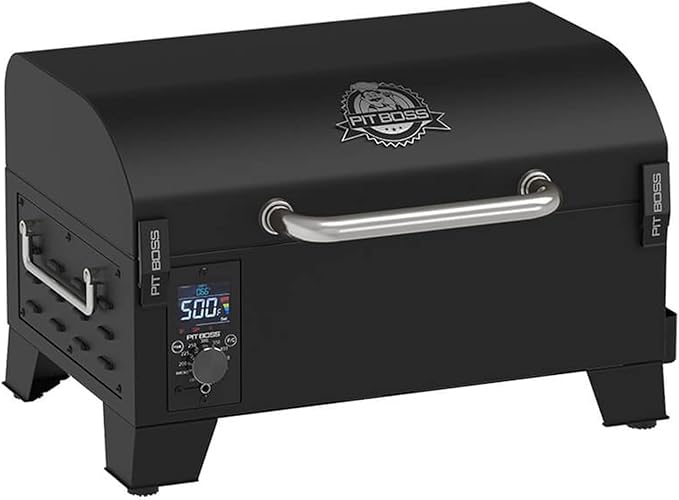
| Pit Boss PB150PPG | 256 sq in | ~180°F (tube only for cheese) | Small batches, balcony or RV | Tabletop |
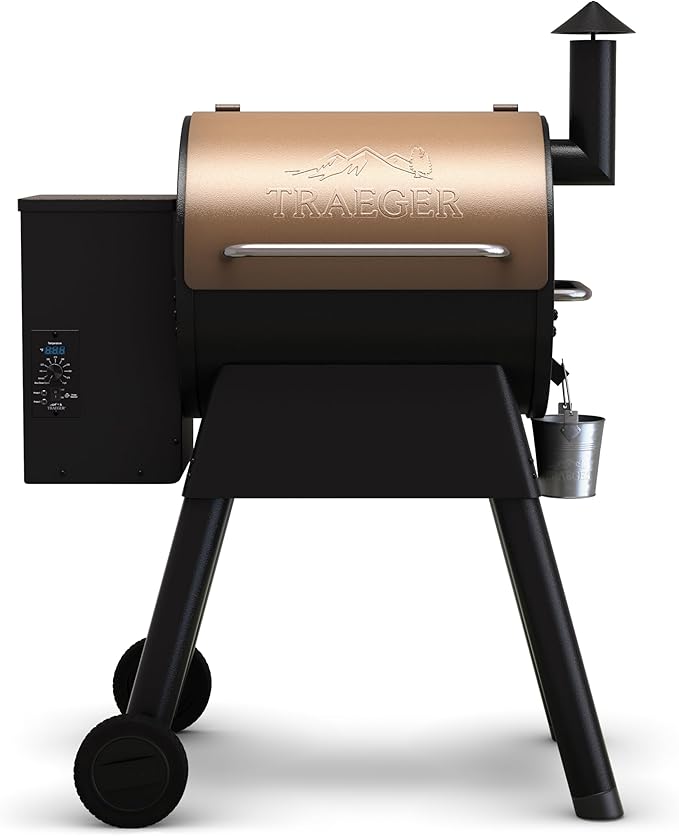
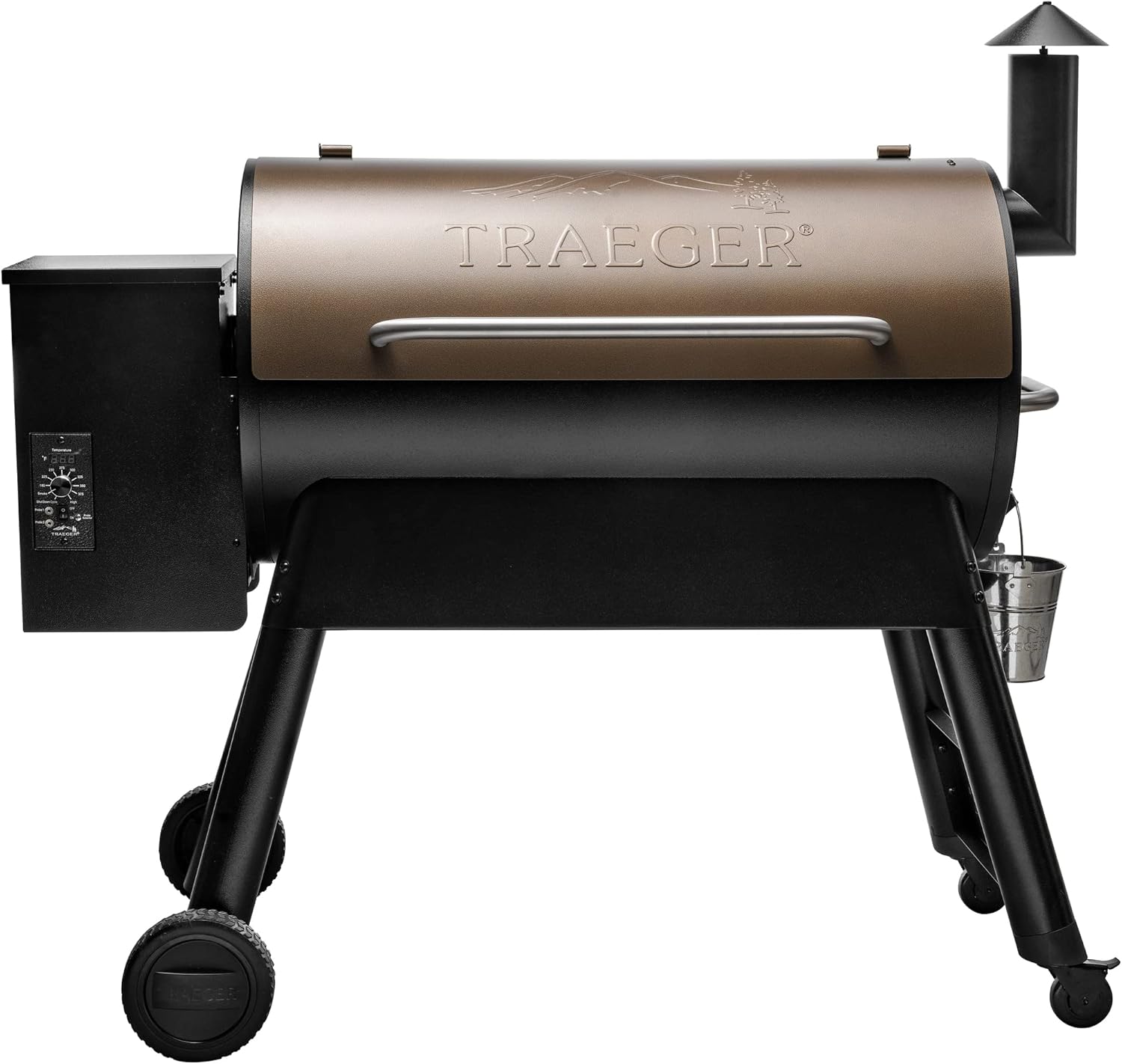
| Traeger Pro 22 | 572 sq in | ~165°F (tube for cheese) | Most home cooks | Cart |
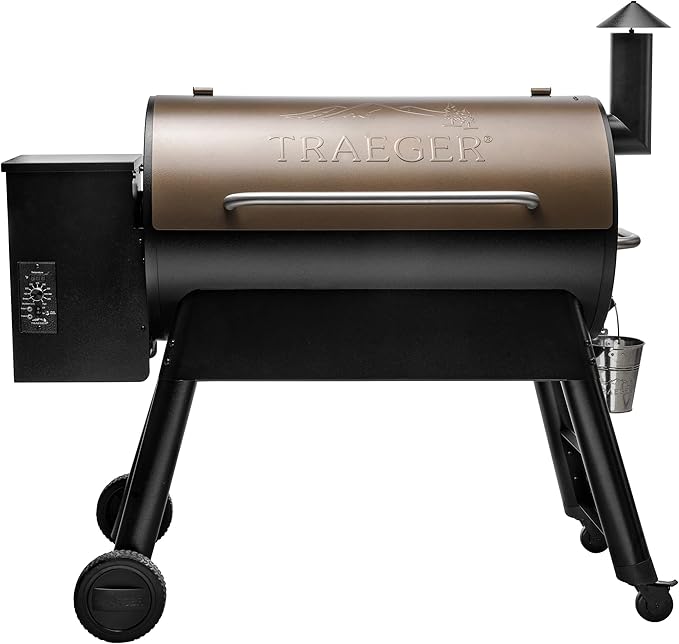
| Traeger Pro 34 | 884 sq in | ~165°F (tube for cheese) | Holiday gifting batches | Cart |
Note: every pellet grill in this category needs a cold-smoke tube or maze accessory to safely smoke cheese — the firepot itself runs too hot. The pellet grill provides the sealed chamber, vents, and grate space; the tube provides the cool smoke.
Top Picks for 2026
Best Overall: Traeger Pro 22
The Pro 22 is the right size for the way most people actually smoke cheese: 4 to 8 pounds per session, spread across two grates. The 572 square inches of cooking area gives smoke room to circulate around blocks without pooling against one spot, and the porcelain-coated grates rinse clean of any cheese sweat. With the grill turned off and a 12-inch pellet tube lit inside, the chamber climbs only 5–10°F over four hours when staged in shade with the ambient temperature in the low 80s. That's the sweet spot for cold-smoked gouda, sharp cheddar, and Havarti. Build the smoke-tube setup, lay your cubed cheese on parchment-lined grates, and you have a true cold-smoke rig that travels well from spring into the worst of August.
Check the Traeger Pro 22 on Amazon
Best for Big Batches: Traeger Pro 34
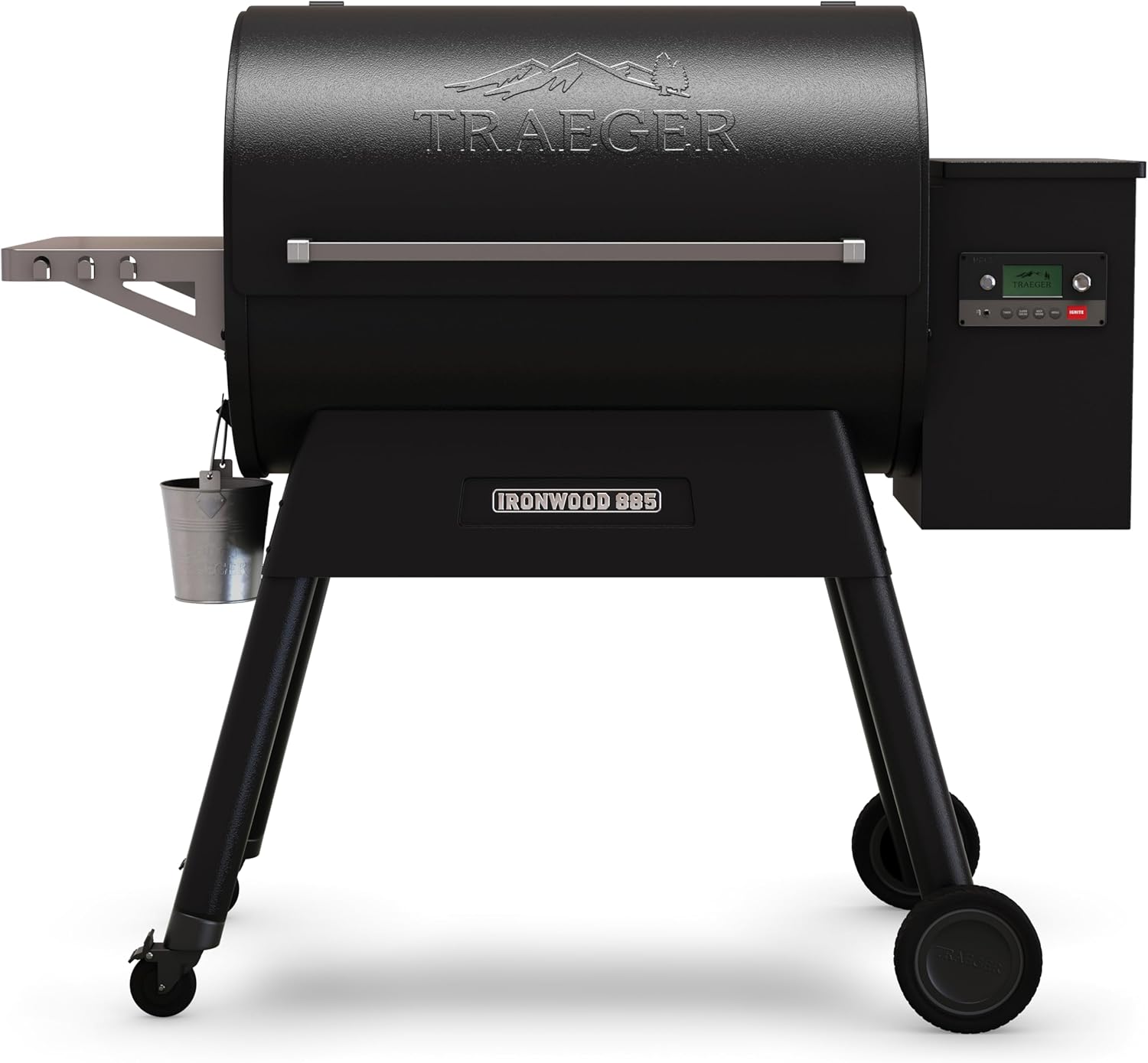
If you cold-smoke for gifts or run a holiday-prep batch in the fall, the Pro 34 gives you 884 square inches — enough for 15+ pounds of cheese in a single session. The bigger chamber is also a thermal asset in summer: more airspace means slower temperature rise from solar gain or from the smoke tube itself. The trade-off is footprint and weight; this is a stationary grill that wants a permanent shaded home. Pair it with two 12-inch tubes on opposite sides of the lower grate for even smoke distribution across the longer width, and you can finish a full year's worth of cold-smoked cheddar in a single July morning.
Check the Traeger Pro 34 on Amazon
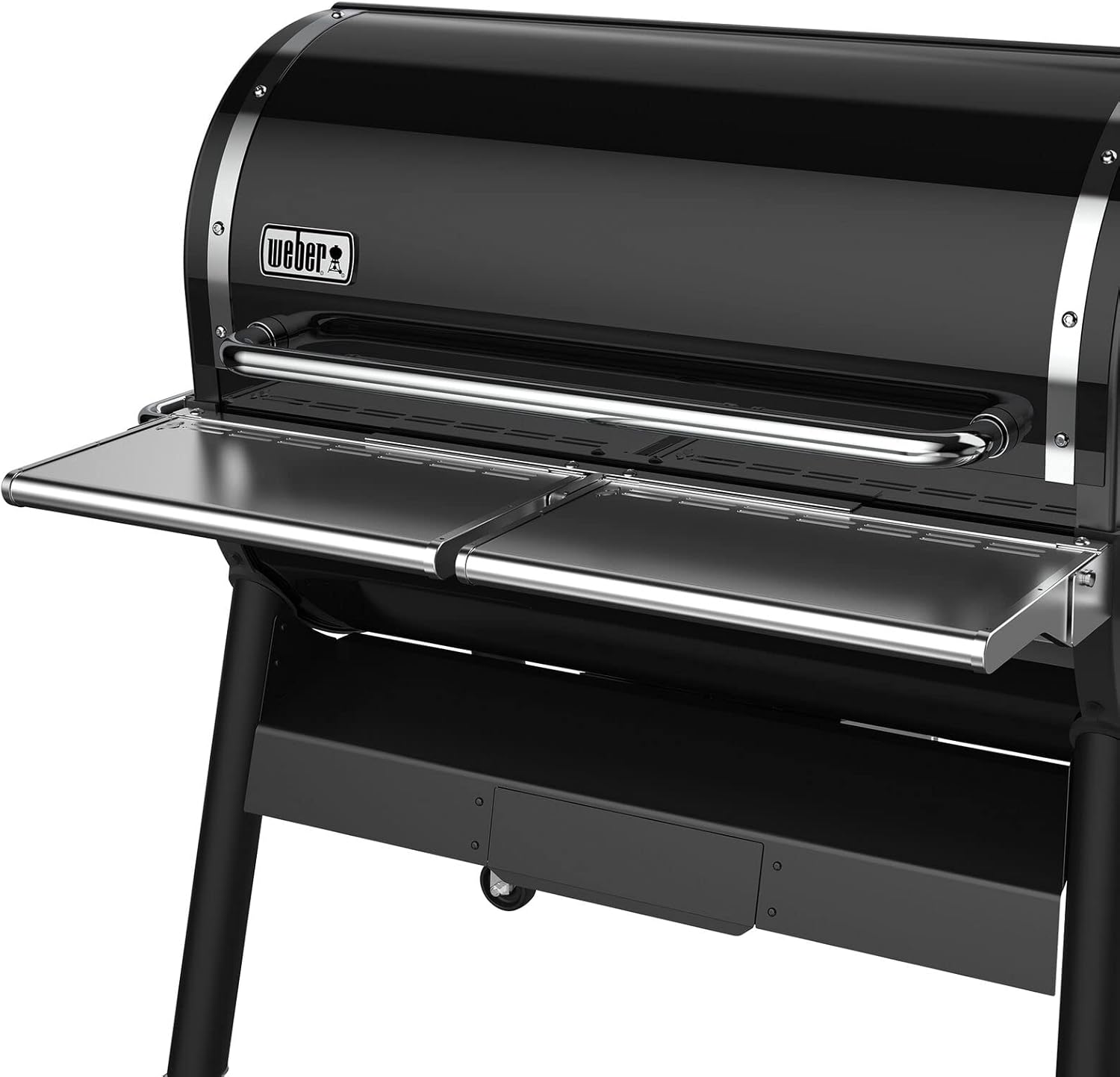
Best Portable / Small Batch: Pit Boss PB150PPG Table Top
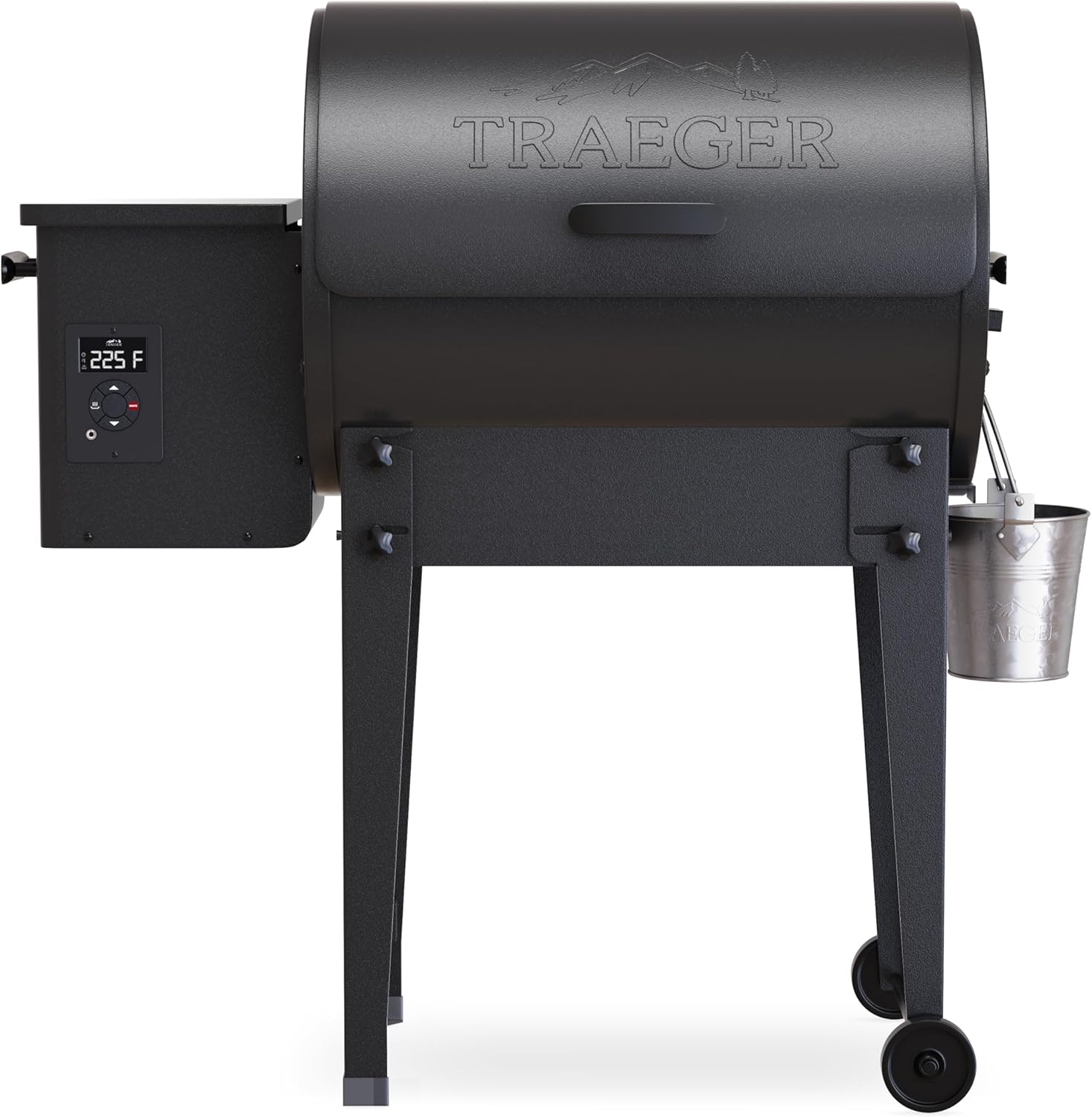
The PB150PPG is a tabletop pellet grill that runs on a 12V plug, making it a natural choice for cheese smokers who don't have a backyard — apartment patios, RV awnings, or a shaded picnic table. With only 256 square inches of grate space, you're smoking 2 to 4 pounds at a time, but the tighter chamber heats and cools predictably, and a 6-inch pellet tube is plenty for the volume. Just don't try to run this one on a sunlit deck in August; the dark powder coating absorbs heat fast. Set up before sunrise, smoke for 2 to 3 hours, then move the cheese to a refrigerator to bloom for at least a week before tasting.
Check the Pit Boss PB150PPG on Amazon
The Cold-Smoke Method That Survives a Hot Day
Here's the workflow that has produced the best results in our 2026 summer testing on any of the three pellet grills above:
- Pre-chill the cheese. Freeze blocks for 20–30 minutes before smoking. A cold start buys you another 30–45 minutes of melt resistance.
- Smoke before sunrise. Light your tube at 5 a.m., not noon. Chamber temperatures are 15–25°F lower at dawn.
- Skip the firepot. Keep the pellet grill itself off. A 12-inch pellet tube alone produces 4–6 hours of cool smoke.
- Add a frozen-water pan. Place a foil pan of ice on the lower grate as a heat sink. As it melts, it absorbs ambient heat and stabilizes chamber temperature.
- Stage in shade. A north-facing wall, garage doorway, or carport keeps direct sun off the lid.
- Rest the cheese. Vacuum-seal and refrigerate for 7–14 days before serving. Fresh-smoked cheese tastes ashtray-sharp; rested cheese is mellow and complex.
For a deeper walk-through of the smoke-tube technique, see our guide on how to cold-smoke cheese on a pellet grill.
Best Pellets and Woods for Cheese
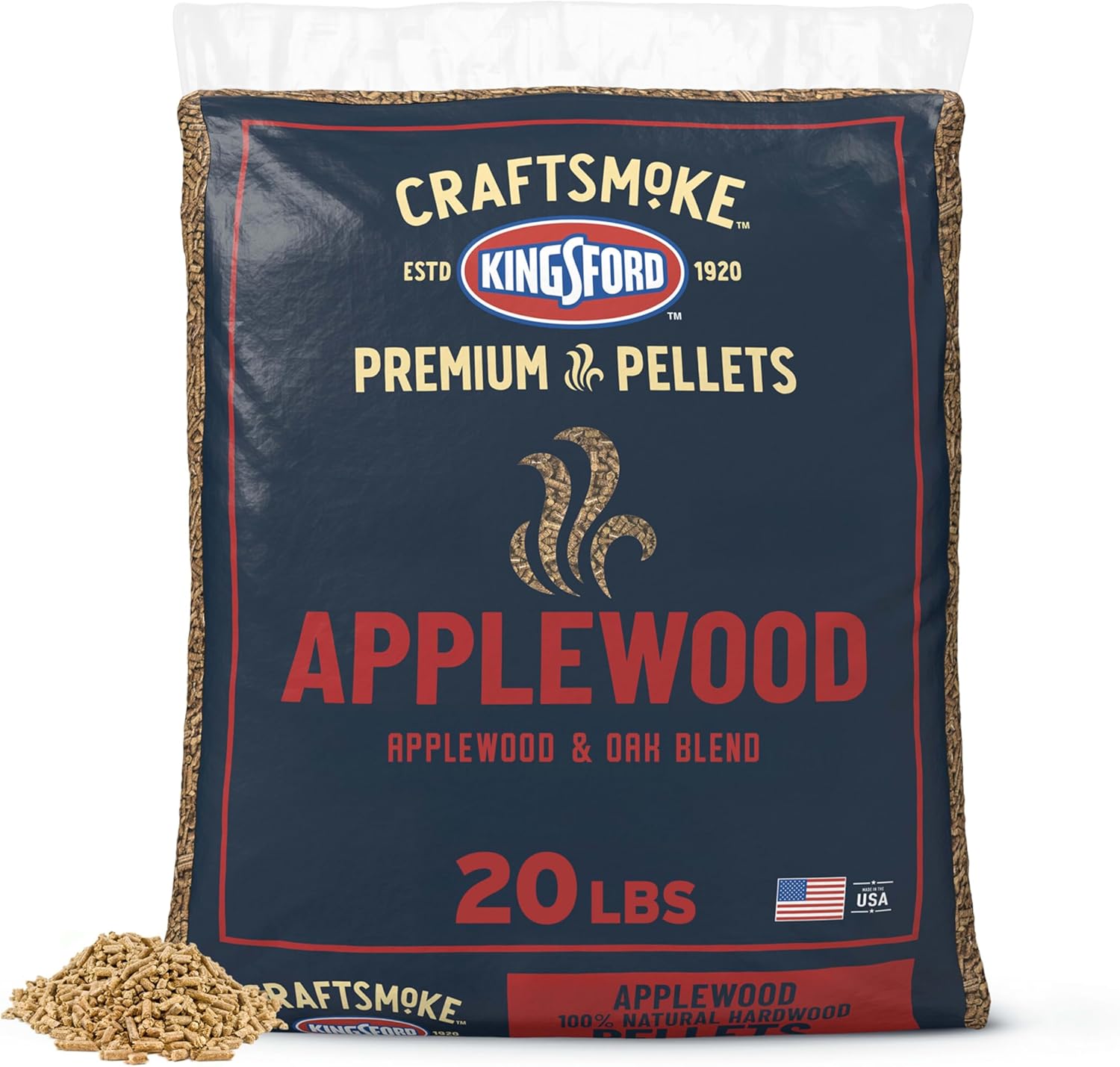
Apple and cherry are the safest bets for almost any cheese — mild, sweet, fruit-forward smoke that doesn't overwhelm the dairy. For sharper cheddars or pepper jack, pecan adds a richer base note. Avoid mesquite (too aggressive for delicate fats) and avoid alder unless you're smoking a salmon-cream-cheese spread. We cover specific brands and blends in our 2026 guide to the best pellets for smoking cheese.
Accessories Worth Buying Alongside
A 12-inch stainless pellet smoke tube is the single most important purchase — it's a $20 accessory that converts any pellet grill into a viable cold smoker. Add a digital ambient probe (one for the chamber, separate from any built-in dome thermometer) so you can monitor without lifting the lid. Parchment paper for the grates keeps cheese from sticking when surface fats start to render. And a basic mister or fan can lower chamber temperatures another 3–5°F if you set up in a particularly humid garage.
When a Pellet Grill Isn't the Right Tool
If you live somewhere genuinely brutal — Phoenix in July, where pre-dawn temperatures still sit at 90°F — even the best pellet grill will struggle to stay under the cheese danger zone without active refrigeration. In that case, a dedicated cold-smoke generator paired with a small refrigerator (a "cheese cave conversion") is a more reliable rig. We compare that approach against pellet grills in our pellet grill vs. dedicated cold-smoker breakdown.
Final Verdict
For 2026, the Traeger Pro 22 remains the best pellet grill for smoking cheese in summer for most home cooks — large enough for serious batches, small enough to stage in shade, and proven compatible with every common smoke-tube accessory. Step up to the Pro 34 if you're smoking for gifts; step down to the Pit Boss PB150PPG if you're working off a patio or RV. Either way, the cold-smoke discipline matters more than the brand badge: pre-chill, pre-dawn, pellet tube only, ice pan, shade, rest.
Frequently Asked Questions
What is the maximum temperature a pellet grill can be at when smoking cheese?
Keep chamber temperatures under 90°F to avoid melting and fat-sweating; under 80°F is ideal. Semi-soft cheeses like mozzarella, fresh gouda, and Monterey Jack need the lower end of that range. Aged hard cheeses such as sharp cheddar or parmesan-style tolerate up to about 95°F briefly without textural damage, but flavor still suffers above 90°F.
Can I smoke cheese on a Traeger in 90 degree weather?
Yes, but only with the grill off and a pellet smoke tube providing the smoke. Start before sunrise, stage the grill in deep shade, use a pan of ice on the lower grate as a heat sink, and pre-freeze the cheese for 20–30 minutes. If ambient temperatures will exceed 95°F before you finish smoking, move the cheese inside earlier and accept a shorter smoke session rather than risk a melt.
How long should I cold-smoke cheese in summer?
Two to four hours of cool smoke is plenty for most cheeses. Longer sessions risk both temperature creep and bitter, oversmoked flavor. Plan for 2.5 hours as a baseline; sharper or larger blocks can handle the upper end of the range. Mozzarella and other delicate cheeses should stay on the shorter side.
Do I need a pellet smoke tube for cold smoking cheese on a pellet grill?
Yes. The firepot of even the lowest-running pellet grill produces too much heat for cheese — typically 165°F or higher on the Smoke or Super Smoke setting. A standalone 12-inch pellet smoke tube produces cold smoke without firing the auger or igniter, and is the standard accessory for any pellet-grill cheese cold-smoke session.
What is the best pellet flavor for smoking cheese?
Apple and cherry are the most forgiving and pair with nearly every cheese. Pecan works well with sharper cheddars and pepper jack. Hickory is acceptable in small doses but easily overpowers mild cheeses. Avoid mesquite for cheese — it's too aggressive and leaves a creosote edge that resting won't fix.
How long should smoked cheese rest before eating?
Vacuum-seal and refrigerate for at least 7 days, ideally 14. Fresh off the smoker, the surface smoke is sharp and ashtray-like. Resting allows the smoke compounds to migrate into the interior and mellow, producing the rich, balanced flavor you actually want. Patience here is the difference between giftable cheese and disappointment.
Can I smoke cheese on a pellet grill without a smoke tube?
Not safely in summer. Some pellet grills have a Super Smoke mode that runs as low as 165°F, but that's still 75°F above the safe cheese-smoking range. Without a pellet tube or maze accessory, your cheese will melt or sweat fat. The tube is a $20 fix worth buying before your first cheese session — it's the single accessory that makes summer cold-smoking on a pellet grill viable.
Key Takeaways
- Choosing the right best pellet grill for smoking cheese in summer means matching capacity and output ports to your actual devices
- Always check actual watt-hours (Wh), not just watts — runtime depends on Wh, not peak output
- Also covers: cold smoking cheese pellet grill hot weather
- Also covers: pellet smoker cheese summer no melt
- Also covers: low temp pellet grill for cheese
- Compare price-per-Wh across models to find the best value for your budget