As an Amazon Associate this site earns from qualifying purchases.
Top Picks
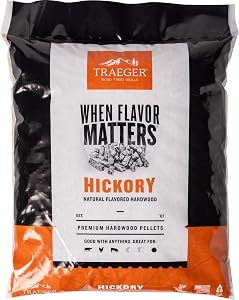

- HICKORY WOOD FIRED FLAVOR: Traeger Hickory Hardwood Pellets are great for naturally enhancing beef, chicken, pork, and veggies with full-bodied, bold flavor. So it should come as
- NOT ALL PELLETS ARE CREATED EQUAL: The best wood-fired grill on the market demands the best wood pellets on the market. Real taste doesn’t just happen, it’s tied to quality

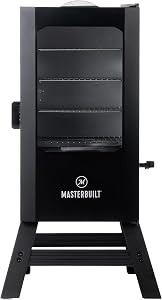
- Digital controls to easily set cooking time and temperature up to 275°F
- Patented side woodchip loader to continually add wood-fired smoked flavor without having to open the smoker door to keep smoke in during the cooking process, resulting in enhanced

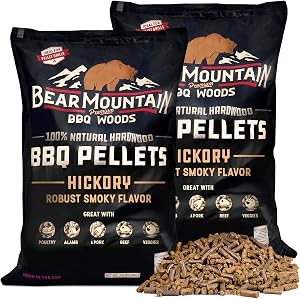
- Hickory BBQ Flavor: Take your grilling to another level by using this pack of 2 hickory BBQ pellets which provides a robust, smoky, and tasty finish to any red meats, poultry, or
- All Natural Hardwoods: Charcoal pellets are made from 100-percent all-natural hardwoods with no flavorings, fillers, or additives for a distinct and authentic taste

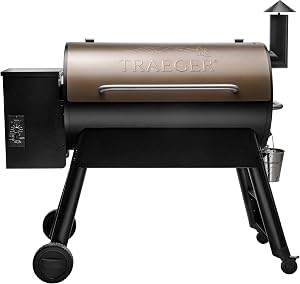
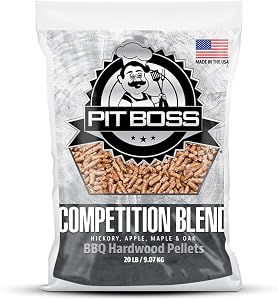
- THE #1 PELLET FUEL BRAND: Trusted by backyard grillers and pitmasters alike, Pit Boss Hardwood BBQ Pellets deliver premium quality, reliable performance, and authentic wood-fired
- 100% ALL NATURAL HARDWOOD: Made from premium North American hardwood with 0% artificial additives, fillers, glues, binders, chemicals, or artificial flavors for clean, authentic

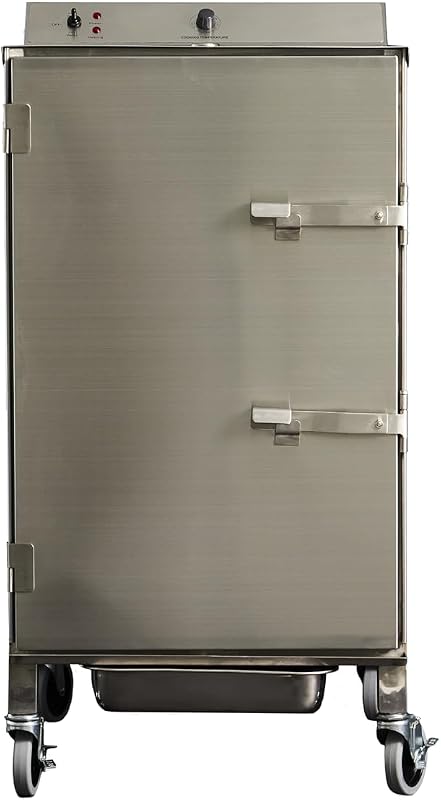
- COMMERCIAL GRADE PERFORMANCE: The SmokinTex 1500-C Commercial Series Electric Smoker delivers unmatched smoking capabilities with its dual 700-watt heating elements and a
- CERTIFIED FOR KITCHEN CONFIDENCE: Ensure your kitchen meets rigorous health standards with the ANSI/NSF-4 certified SmokinTex 1500-C pellet smoker grill. This certification
The 30-Second Sizing Cheat Sheet
Not here for the deep dive? Here's everything you need at a single glance:
| Grill Size | Cooking Area | Feeds | Best For |
|---|---|---|---|
| Compact | 250–350 sq in | 2–4 people | Apartments, balconies, couples |
| Mid-Size | 450–600 sq in | 4–8 people | Average family, weekend cookouts |
| Large | 700–900 sq in | 8–15 people | Big families, frequent entertainers |
| XL / Competition | 1,000+ sq in | 15+ people | Tailgates, parties, comp cooks |
Stop Guessing. Start Grilling Smarter.
Picture this: You've just dropped serious cash on a gorgeous, gleaming pellet grill. The smoke is rolling lazily into the evening sky. The neighbors are peeking over the fence. Your phone is locked and loaded, ready to capture that first money shot for the group chat...
...and then reality hits like a cold beer on a hot day. You can't fit more than four burgers on the grates.
Or maybe you went the other direction — bought an absolute beast so massive it devours pellets like a bonfire just to cook one lonely chicken breast.
Size matters. And choosing the right pellet grill size is the single most important decision you'll make before you ever strike that first spark.
> "The biggest mistake new pellet grill owners make? Buying too small to save a few bucks — then upgrading within a year. Buy for the cook you WANT to do, not just the cook you do today." > — Every pitmaster, ever
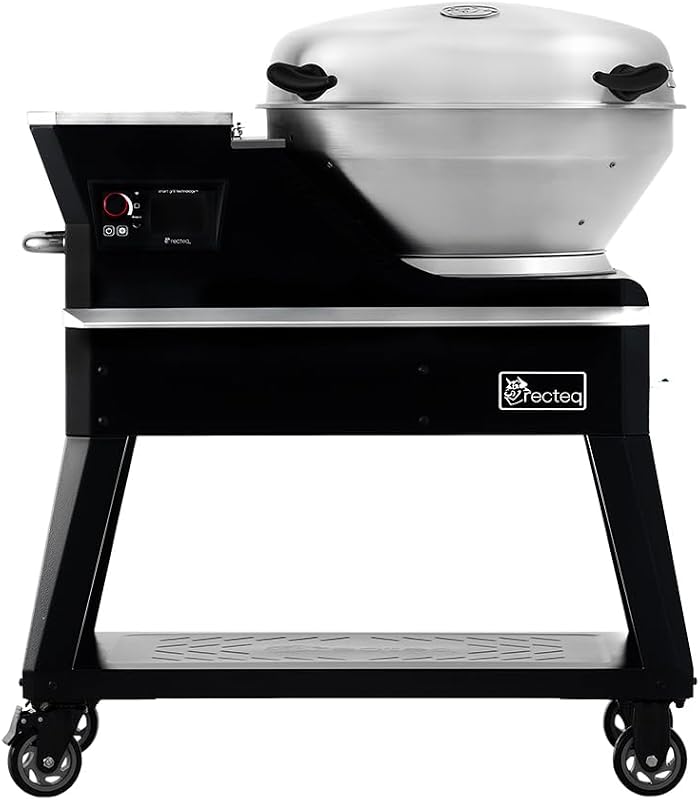
Featured recommendations from our review database — direct Amazon links below.
| The Stat | The Reality |
|---|---|
| 68% | of pellet grill owners say they wish they'd bought bigger |
| 1.4 years | average time before owners upgrade to a larger model |
| 72 sq in | minimum cooking space needed per person for burgers |
| 100+ sq in | space per person required for ribs, brisket, or whole birds |
> KEY TAKEAWAY: Nearly 7 out of 10 owners regret going small. If you're on the fence between two sizes — go bigger. Your future self (and your hungry guests) will thank you.
The Three Numbers That Actually Matter
Forget the marketing hype, the chrome accents, and the WiFi gimmicks that sound great in the showroom. When you're sizing a pellet grill, only three measurements truly count.
1. Primary Cooking Surface (Square Inches)
This is the main grate — the sacred ground where meat meets heat. The rule of thumb the pros swear by:
- 72 square inches per person for burgers, brats, and dogs
- 100+ square inches per person for ribs, brisket, or whole chickens
- Add 25% if you cook with foil pans, water trays, or wood chunks
2. Hopper Capacity (Pounds of Pellets)
A small hopper (10 lbs) means babysitting your grill during long smokes — setting alarms at 3 AM like a new parent with a colicky newborn. A large hopper (20–40 lbs) means you can sleep through an overnight brisket like absolute royalty.
> For low-and-slow lovers, bigger is ALWAYS better. A 14-hour brisket cook can burn through 12+ pounds of pellets — and running dry mid-cook is a heartbreak you'll only experience once.
3. Total Footprint
Measure your patio. Then measure again. Then measure one more time for good luck.
Pellet grills need breathing room — at least 12 inches of clearance on all sides for safety, smoke flow, and easy access to the hopper lid. A grill crammed into a corner is a fire hazard waiting for its moment.
Watch: The Real-World Pellet Grill Size Comparison
Seeing is believing. Before you commit to a size, watch this hands-on walkthrough comparing real cooking capacity across the most popular pellet grill models on the market:
Match Your Grill to Your Lifestyle
Forget what the salesman says. Forget what your brother-in-law's cousin swears by. Here's how to honestly match a grill to your real life.
The Solo Smoker or Couple
Recommended: 250–400 sq inIf it's just you and your significant other tearing into Sunday ribs by candlelight, a compact grill is your soulmate. You'll burn less fuel, heat up in half the time, and save precious patio real estate for the hot tub you've been eyeing.
Pro move: Look for models with at least a 10-pound hopper for stress-free overnight smokes.
The Average Family (4–6 People)
Recommended: 450–600 sq inThis is the sweet spot — the minivan of pellet grills. You can knock out a rack of ribs, a tray of veggies, AND a beer-can chicken without playing real-life Tetris on the grates. Weekend cookouts, holiday meals, casual Tuesday tacos — this size handles it all without breaking a sweat.
Pro move: Prioritize a 15–20 lb hopper so you're not refilling mid-cook when company arrives.
The Backyard Entertainer
Recommended: 700–900 sq inYou're the friend who hosts. The grill is on three weekends out of four. People show up uninvited because they know the food is going to be unreal. You need real estate — and lots of it. Think dual racks, dual probes, and dual everything.
Pro move: Look for grills with integrated side shelves and storage — you'll need every inch.
The Tailgater, Caterer, or Comp Cook
Recommended: 1,000+ sq inYou don't cook. You perform. Two briskets, six racks of ribs, and a pork shoulder all going at once isn't a Saturday — it's a Tuesday. At this size, you're looking at competition-grade rigs with massive hoppers, towable trailer mounts, and the kind of presence that makes neighbors jealous from three houses away.
Pro move: Insist on a 30+ lb hopper and dual meat probes minimum. Anything less is amateur hour.
The Final Word: Buy Once, Cry Once
Here's the brutal truth seasoned pitmasters will tell you over a cold one: the cheapest grill is the one you buy once.
That extra $200 for the next size up feels painful at checkout. It feels like genius six months later when your father-in-law shows up with seven friends and you don't even break a sweat.
Size for the cook you dream about. Size for the family gathering that hasn't happened yet. Size for the Sunday afternoon when the smoke rolls, the music plays, and everyone you love is gathered around your patio because you have the grill that brings people together.
> Now stop reading. Go measure your patio. The perfect grill is waiting.
