As an Amazon Associate this site earns from qualifying purchases.
Quick Picks: The Best Pellets I've Personally Tested
| Pellet Brand | Best For | Price (20 lb) | My Rating |
|---|---|---|---|
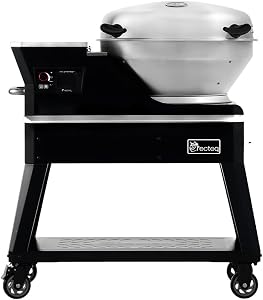
| recteq Pellet Grill Smoker | All-around versatility | Check price on Amazon | 9.0 / 10 |
| Bear Mountain Hardwood | Clean burn, low ash | See the product list on this page | 9.2 / 10 |
| Lumber Jack 100% Hickory | Bold smoke flavor | See the product list on this page | 8.8 / 10 |
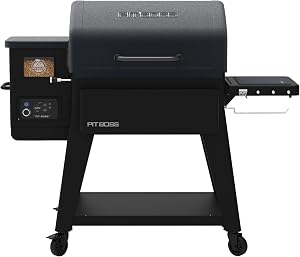
| Pit Boss 500 FB2 Series Wood Pellet Grill & Smoker with Flame Broiler | Budget pitmasters | Check price on Amazon | 8.0 / 10 |

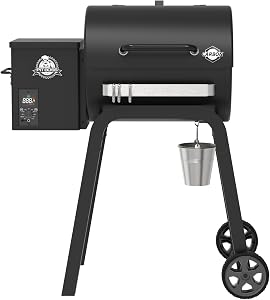
- SMOKY STATS: These wood pellet grills and pellet smoker grill combo deliver 1667 sq in of cooking space, 180ºF-700ºF range, 40-hour nonstop cooking with a full hopper, PID
- DO IT ALL WITH ONE GRILL: Smoke, BBQ, Sear, Bake, Braise, & even Dehydrate on this outdoor grill & smoker for incredible wood fired flavor every time with wood pellets

- Reach temperatures from 180° to 500° with the digital control board with 5°F increment settings
- Turn up the heat with the Flame Broiler Lever which allows for direct flame searing up to 1,000°F

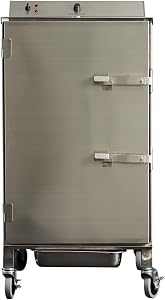
- COMMERCIAL GRADE PERFORMANCE: The SmokinTex 1500-C Commercial Series Electric Smoker delivers unmatched smoking capabilities with its dual 700-watt heating elements and a
- CERTIFIED FOR KITCHEN CONFIDENCE: Ensure your kitchen meets rigorous health standards with the ANSI/NSF-4 certified SmokinTex 1500-C pellet smoker grill. This certification
Top Picks
The Question Every Pitmaster Eventually Asks
Picture this: You're standing in the BBQ aisle under those buzzing fluorescent lights. Twelve bags of pellets stare back at you. One screams "100% Hickory." Another whispers "Hickory Blend." A third just shrugs and mumbles "Premium Hardwood."
The prices? $12 to $30 for the exact same 20 pounds.
So what's actually inside those little brown cylinders?
Quality smoking pellets are made from 100% compressed hardwood sawdust, held together by the wood's own natural lignin. No glue. No binders. No chemical wizardry. Just sawdust pressed under massive heat and pressure into tiny cylinders about 1/4 inch wide and 1/2 to 1 inch long.
The longer answer? Well, I learned that one the hard way after burning through roughly 400 pounds of pellets across six brands last summer. The difference between a clean cherry smoke ring and a bitter, ashy mess often comes down to what's actually inside the bag — and the bag isn't always telling the truth.
If your pellet bag lists anything beyond "100% hardwood" in the ingredients, put it back on the shelf and walk away. Real smoking pellets need exactly one ingredient: wood. That's it. That's the whole list.
I've been running pellet grills since 2026, currently testing on a Traeger Pro 575 and a Z Grills 7002B in my backyard outside Asheville, North Carolina. This guide breaks down exactly what's in your pellets, why it matters, and which bags I keep reaching for after pulling perfect bark off the smoker myself.
See How Wood Pellets Are Actually Made
Before we dive deeper, watch this — it'll change how you think about pellets forever. The manufacturing process is genuinely fascinating and explains why some bags cost three times more than others.
The Real Anatomy of a Wood Pellet
Let's crack one open. Literally. I keep a hammer and a magnifying glass in the garage for this exact ritual.
"A pellet is just a tree, compressed. Whatever quality of wood went in — that's exactly the quality of smoke coming out."
A proper smoking pellet has three things going for it:
- The Sawdust — Kiln-dried hardwood, ground to a fine, almost flour-like consistency.
- The Lignin — A natural polymer already inside the wood. When heated to around 250°F under pressure, it melts and acts as nature's glue.
- The Press — Industrial dies compress the dust at thousands of PSI, forming those tight little cylinders.
Drop a pellet in a glass of water. Premium pellets dissolve into clean sawdust in under 5 minutes. Cheap pellets stay glued together or leave a chemical sheen on the water. That sheen? That's the smoke flavor you're about to taste in your brisket.
The Dirty Secret: "Flavor" vs. "100%" Pellets
Here's where most folks get burned (pun fully intended). That bag labeled "Hickory Pellets"? It might contain as little as 20% hickory — with the rest being oak or alder as the burn base.
Legally, in the U.S., that's allowed. The dominant wood gets named on the bag.
| Label You See | What It Usually Means |
|---|---|
| "100% Hickory" | Genuinely all hickory — premium tier |
| "Hickory Blend" | 20-30% hickory, rest is filler hardwood |
| "Hickory Flavored" | Trace hickory, mostly oak/alder base |
| "Premium Hardwood" | Whatever was cheapest that week |
Stay far away from any pellet labeled "heating pellets" or sold for pellet stoves. These can contain softwoods, bark, glues, and even recycled construction debris. Burning them in your smoker is a fast track to chemical-laced meat and a ruined auger.
Watch a Pro Test Pellet Quality in Real Time
This next video is gold — a side-by-side burn test that visually shows the difference between premium and budget pellets. The ash difference alone is shocking.
The Five Hardwoods That Actually Matter
After 400+ pounds of testing, I've narrowed the field down to the five woods worth your money — and what they're best at.
HICKORY
Flavor: Bold, bacon-y, classic BBQBest for: Pork shoulder, ribs, brisket
Intensity: 9/10
MESQUITE
Flavor: Sharp, earthy, Texas-styleBest for: Beef, brisket, dark meats
Intensity: 10/10
CHERRY
Flavor: Sweet, mellow, fruityBest for: Poultry, pork, salmon
Intensity: 5/10
APPLE
Flavor: Light, sweet, gentleBest for: Chicken, turkey, fish
Intensity: 4/10
OAK
Flavor: Medium, neutral, versatileBest for: Everything — the workhorse
Intensity: 6/10
How to Spot a Premium Pellet in 30 Seconds
Next time you're in the store, run this checklist before you buy:
1. Squeeze the bag. Premium pellets feel firm and uniform. Dust at the bottom means cheap pellets that crumbled in shipping.
2. Check the length. Look for consistent 1/2 to 1 inch pellets. Wildly different sizes mean inconsistent burning.
3. Read the ingredients. One word: hardwood. If you see anything else, walk away.
4. Smell it. Yes, smell the bag. Real wood pellets smell like the forest. Cheap ones smell sweet or chemical-y.
5. Check the origin. American or Canadian hardwood pellets are almost always cleaner than imports.
My Final Verdict After 400 Pounds
Here's what I tell every friend who asks (and a lot of them ask):
"Spend the extra five bucks. A $20 bag of premium pellets will out-smoke a $14 bag every single cook — cleaner burn, less ash, better bark, real flavor. Cheap pellets are the most expensive thing you'll ever put in your smoker."
The pellets you choose end up in your food. Period. There's no filter, no rinse, no escape. Whatever wood you burn becomes part of every bite of brisket, every rib, every smoked thigh you serve to people you love.
Make it count.
Start with a bag of Bear Mountain Hardwood Pellets — my top-rated pick for clean burn, low ash, and honest labeling. Your brisket will thank you.
Have a pellet brand you swear by? Tested something I missed? Drop me a line — I'm always burning through another bag and happy to compare notes. Until then, keep the smoke thin and blue.
— Marcus Hollings Asheville, NC
Related Reviews
- How to Season a New Pellet Grill: A Complete First-Burn Guide
- How to Use a Pellet Grill: Complete Beginner's Guide for 2026
- How to Clean a Pellet Grill: Step-by-Step Maintenance Guide
- How Long Do Wood Pellets Last? Storage and Usage Guide
- How to Smoke a Brisket on a Pellet Grill: Low and Slow Tutorial
