As an Amazon Associate this site earns from qualifying purchases.
Top Picks
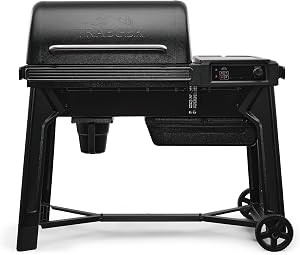
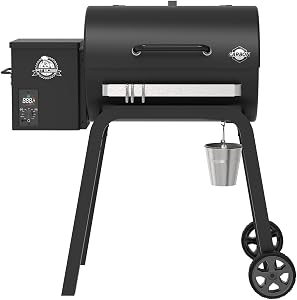

- Enhanced Wood-Fired Flavor: Experience authentic wood-fired cooking with the Traeger Woodridge pellet smoker grill, delivering rich, natural taste and incredible results without
- Precise Temperature Control: Maintain consistent heat from 180-500°F controlled and monitored from anywhere with the Traeger App. Making it easy to grill, smoke, bake, roast

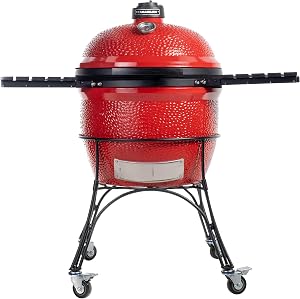
- Premium 24″ Ceramic Grill with Cart & Locking Wheels – The Kamado Joe Big Joe I gives the perfect cooking size of 24 inches along with its premium cart that comes with the
- 2-Tier Divide & Conquer - Divide & Conquer Flexible Cooking System transforms the humble grill grate into the most powerful cooking tool in your arsenal. The revolutionary

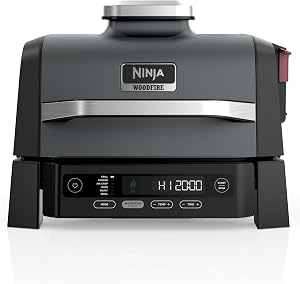
- Dial-in digital control with LCD screen
- 180-500 Degree temperature range with direct flame searing up to 1000 degrees

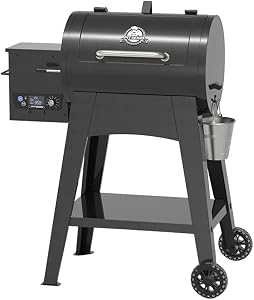
- REAL HARDWOOD FLAVOR: Pellet smoker grill to help create a richer, smokier flavor, fueled with 100% all-natural hardwood pellets
- ROOM FOR ONE MORE: Pit Boss pellet smoker has 718 sq in of total cooking surface for dozens of patties at once, plus smoked veggies, desserts and more

- Premium 18″ Ceramic Grill with Cast Iron Cart & Locking Wheels – The Kamado Joe Classic II gives the perfect cooking size of 18 inches along with its Premium cart that comes with
- 2-Tier Divide & Conquer - Divide & Conquer Flexible Cooking System transforms the humble grill grate into the most powerful cooking tool in your arsenal. The revolutionary
Why You Should Trust This Guide
I've been running pellet smokers since 2026 — currently a Traeger Pro 575 in the backyard and a Z Grills 700 series at my brother's lake house. And here's the uncomfortable truth I've learned the hard way:
> 90% of pellet grill problems people complain about online — auger jams, temp swings, flame-outs — trace back to ONE thing: a dirty grill.
Let me walk you through exactly how I clean mine — the same battle-tested routine that's kept both grills running like the day they came out of the box.
The Real Cost of a Dirty Pellet Grill
| Problem | Root Cause | Real-World Cost |
|---|---|---|
| Auger jam mid-cook | Pellet dust + moisture buildup | Ruined brisket ($65+) |
| Temperature swings (40-50°F) | Ash choking the firepot | Inconsistent, sad cooks |
| Flame-outs | Blocked airflow | Restart + reheat headache |
| Acrid, harsh smoke flavor | Old grease + creosote | Wasted premium ingredients |
| Premature component failure | Neglected maintenance | $200-400 in parts |
The 30-Second Answer
> TL;DR: To clean a pellet grill properly, vacuum the firepot and ash trap, scrape the grates, wipe down the interior with a dry cloth (never water), empty old pellets from the hopper, and clean the chimney and drip tray. Budget 45 minutes for a deep clean, and do it every 5-6 cooks — roughly once a month during heavy grilling season.
> The Bottom Line: Skipping cleanings doesn't save you time — it costs you money, flavor, and faith in your grill.
Quick Picks: The Tools I Actually Use
| Product | Use Case | Price |
|---|---|---|
| Traeger Grill Cover Full-Length | Preventing post-clean buildup | See the product list on this page |
| Kamado Joe | Fresh pellets after hopper cleanout | Check price on Amazon |
| ThermoPro TP20 Thermometer | Verifying temps after cleaning | See the product list on this page |
Watch It Done: Full Pellet Grill Deep Clean
Sometimes seeing beats reading. Here's a complete visual walkthrough of the exact process I use — grab a coffee and follow along:
{{VIDEO_1}}
Why Pellet Grill Maintenance Actually Matters
Here's the story that turned me into a maintenance fanatic:
Back in 2026, I let my old grill go 15 cooks without a real cleaning. The result? An auger jam mid-brisket that cost me a 14-hour cook and a $65 packer. My guests ate pizza that night. I ate humble pie.
Ash buildup in the firepot is the silent killer — it chokes airflow, causes temperature swings of 40-50 degrees, and eventually leads to flame-outs at the worst possible moment (usually 2 AM during an overnight smoke).
> Expert Tip: A clean pellet grill literally tastes better. After my first deep clean on a neglected grill, the smoke flavor was noticeably cleaner — less acrid, more of that sweet hickory backbone you actually want on a pork shoulder.
The Maintenance Sweet Spot: Three Tiers
Tier 1 — The Quick Clean (10 min) > After every cook. Scrape grates while still warm, swap foil on the drip tray, brush out the loose ash. Fast. Painless. Essential.
Tier 2 — The Deep Clean (45 min) > Every 5-6 cooks. Full vacuum, interior wipe-down, chimney inspection, hopper cleanout. This is the routine that prevents 90% of issues.
Tier 3 — The Annual Service (2 hours) > Once a year. Inspect auger motor, induction fan, thermocouple, door gaskets, and electrical connections. Replace anything questionable.
What You'll Need
Gather these BEFORE you start — running back to the garage with greasy hands is no one's idea of fun:
- Shop vacuum — a small one works great (I use a 2.5 gallon)
- Grill brush or wooden scraper — I prefer wood now, after melting two nylon brushes
- Microfiber cloths (3-4 of them — you'll use them all)
- Heavy-duty aluminum foil (the cheap stuff tears)
- Disposable gloves — your hands will thank you
- 5-gallon bucket for old pellets
- Small putty knife for stubborn grease
- Stiff-bristled paint brush (the secret weapon for firepot crevices)
Deep Dive: Pellet Grill Cleaning Pro Tips
Before you dig in, here's a fantastic walkthrough that covers pro-level tricks most owners never learn:
{{VIDEO_2}}
Step-by-Step: How to Clean a Pellet Grill
Step 1: Make Sure Everything Is Cold
Obvious but critical. I wait at least 4 hours after a cook, usually overnight.
> Hard-Learned Lesson: I once tried to vacuum a "cool" firepot 2 hours after smoking. The embers were still alive inside the ash. My shop vac filter melted into a Salvador Dalí sculpture. Don't be me. When in doubt, wait another hour.
Step 2: Remove and Scrape the Grates
Pull the grates and give them a thorough scrape with your wooden scraper. If they're heavily caked, lay them on newspaper and hit them with a scraper at a 45-degree angle.
Step 3: Tackle the Drip Tray and Heat Baffle
This is where the magic — and the grease — lives. Peel off the old foil (carefully, that grease is liquid gold and also a fire hazard) and use your putty knife to lift any baked-on residue from the heat baffle underneath.
Step 4: Vacuum the Firepot Like You Mean It
This is the most important step. Period. Vacuum every speck of ash from the firepot, then use your paintbrush to sweep ash from the surrounding ledge into the firepot and vacuum again.
> Pro Move: Check the firepot's igniter rod. If it's coated in ash, your ignition times will suffer. A quick wipe with a dry cloth keeps startups crisp.
Step 5: Wipe Down the Interior (DRY ONLY)
Never use water inside a pellet grill. Moisture + sawdust pellets = concrete-grade auger jam. Use a dry microfiber to wipe the interior walls. For stubborn spots, a barely-damp cloth followed immediately by a dry one.
Step 6: Empty and Inspect the Hopper
Dump old pellets into your bucket. Look for dust at the bottom — that's the enemy. Vacuum the hopper clean before refilling with fresh pellets.
> Truth Bomb: Pellets are hygroscopic — they absorb humidity from the air. Pellets older than 30 days in a humid hopper turn to mush and will absolutely jam your auger.
Step 7: Clean the Chimney
A blocked chimney throttles airflow and turns your beautiful blue smoke into bitter, billowing creosote-laden fog. Wipe the inside with a dry cloth wrapped around a paint stick.
Step 8: Reassemble and Burn-Off
Put everything back, fire it up at 350°F for 15 minutes to burn off any residue, then you're ready to cook again.
The Maintenance Schedule That Saves Briskets
> After Every Cook (5 min): Scrape grates, swap drip tray foil. > > Every 5-6 Cooks (45 min): Full deep clean as above. > > Every 3 Months: Inspect gaskets and door seal. > > Annually (2 hrs): Check auger motor, fan, thermocouple, and electrical.
Final Word from the Pit
A pellet grill is a tool. Treat it like one, and it'll reward you with a decade of perfect cooks. Neglect it, and it'll betray you at the worst possible moment — usually at hour 12 of an overnight brisket.
Clean it. Cover it. Love it. The barbecue gods reward the disciplined.
Now go fire it up.
Related Reviews
- How to Season a New Pellet Grill: A Complete First-Burn Guide
- How to Use a Pellet Grill: Complete Beginner's Guide for 2026
- How to Smoke a Brisket on a Pellet Grill: Low and Slow Tutorial
- Pellet Grill Troubleshooting Tips: Fix Common Problems Fast
- What Are Wood Pellets Made Of? A Complete Guide to Smoking Pellets
